You Won’t Believe What Kingston’s Local Markets Are Hiding
Kingston, Jamaica isn’t just about reggae and rhythms—it’s a treasure trove of handmade wonders waiting to be discovered. I dove into the city’s soul and found specialty products that tell stories: bold spices, hand-carved art, and coffee that tastes like sunshine. This isn’t shopping; it’s connecting. If you think you know Jamaica, wait until you taste, touch, and take home what Kingston truly makes.
Stepping Into Kingston: More Than a Capital City
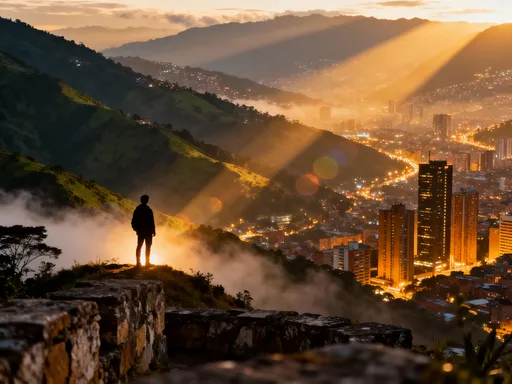
Kingston is often introduced as Jamaica’s capital, but to call it merely that is to miss its pulse. This city breathes culture, resilience, and creativity in equal measure. From the foothills of the Blue Mountains to the edge of Kingston Harbour, the city unfolds in layers—colonial architecture softened by time, street corners alive with impromptu music sessions, and markets that hum with the energy of daily life. Unlike the resort-lined coasts, Kingston offers a more intimate encounter with Jamaican identity, where tradition and innovation coexist.
Walking through neighborhoods like Trench Town or Jack’s Hill, one senses a deep-rooted pride in local heritage. Murals honor musical legends, community gardens flourish in unexpected places, and small businesses thrive on word-of-mouth and loyalty. The city’s rhythm isn’t just found in sound system beats; it’s in the pace of life, the warmth of greetings, and the way people gather. For visitors, engaging with Kingston means stepping off the beaten path and into a living, evolving story.
What sets Kingston apart is its authenticity. There are no staged performances for tourists—just real life, unfolding with honesty and vibrancy. Whether it’s a morning chat with a fruit vendor or watching artisans sand a wooden sculpture under a shaded awning, these moments offer a rare kind of connection. The city doesn’t perform; it lives. And for those willing to listen, it reveals its treasures slowly, one market stall, one conversation, one flavor at a time.
The Pulse of Craft: Why Specialty Products Matter Here
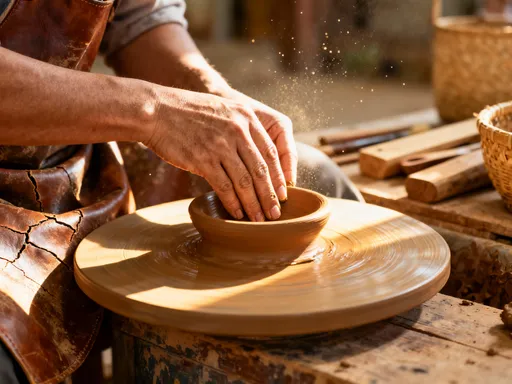
In Kingston, handmade goods are far more than souvenirs—they are expressions of identity, history, and community. Each carved bowl, dyed textile, or jar of spice carries a legacy shaped by generations of skill and survival. Unlike factory-made trinkets, these specialty products emerge from lived experience, often rooted in Afro-Caribbean traditions, Rastafarian philosophy, or indigenous knowledge of the land. To purchase them is not just to acquire an object, but to honor the hands that made it and the culture that inspired it.
Supporting local artisans strengthens the economic fabric of neighborhoods where opportunities can be limited. When a traveler buys directly from a maker at a weekend market, that exchange fuels more than a business—it sustains a family, preserves a craft, and encourages younger generations to continue these traditions. This form of mindful tourism fosters dignity and respect, shifting the focus from consumption to connection.
There is also a quiet resistance in these crafts. For centuries, Jamaican culture has faced pressures to conform, to dilute, to commercialize. Yet in the intricate patterns of a handwoven basket or the bold heat of a homemade pepper sauce, there is a declaration of presence: We are here. We create. We remember. These items are not mass-produced for global appeal; they are made for meaning. Choosing them over imported imitations is a small but powerful act of cultural appreciation—one that values authenticity over convenience.
From Farm to Flask: The Magic of Jamaican Spices & Sauces
No visit to Kingston’s markets is complete without encountering the fiery soul of Jamaican cuisine: its spices and sauces. The air in local food stalls is thick with the scent of scotch bonnet peppers, allspice berries, fresh thyme, and garlic—ingredients that form the backbone of jerk seasoning, one of the island’s most iconic culinary gifts. These aren’t just flavors; they are alchemy, blending heat, sweetness, and earthiness into something unforgettable.
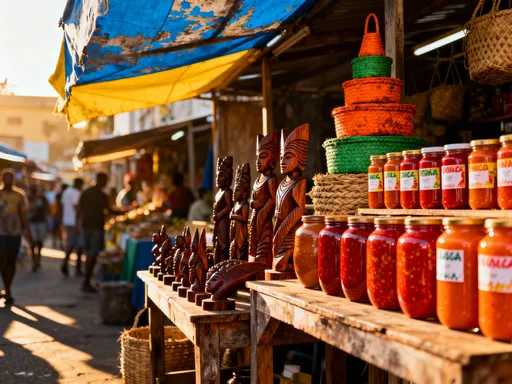
At places like Coronation Market or neighborhood vendors in Papine, visitors can find small-batch hot sauces made in family kitchens. Some are bright red and blisteringly hot, while others are simmered with mango or tamarind for a fruity kick. These sauces are often labeled simply with a name and phone number, a sign of their homemade origin. Buying one means supporting a micro-entrepreneur, possibly a mother or grandmother who has perfected her recipe over decades.
The journey of these spices begins long before they reach the market. Scotch bonnets are grown in backyard gardens or small farms in the hills surrounding Kingston. Allspice—known locally as pimento—is harvested from trees that thrive in Jamaica’s rich soil. When crushed, the dried berries release a warm, clove-like aroma that defines so much of the island’s cooking. Vendors proudly explain how their blends are used: rubbed on chicken before grilling, stirred into stews, or drizzled over fried dumplings.
For travelers, tasting these flavors is a direct line to Jamaican daily life. A small bottle of authentic jerk seasoning, purchased from a woman who seasons her family’s meals with the same mix, becomes more than a condiment—it becomes a memory in liquid form. And when shared at home, it carries with it the warmth, boldness, and generosity that defines Kingston’s spirit.
Handmade with Heart: Wood Carvings, Textiles, and Art
Among the most striking finds in Kingston’s markets are the handcrafted works of local artisans—wood carvings, batik fabrics, and woven baskets that reflect both beauty and meaning. These are not decorative afterthoughts; they are testaments to skill, patience, and cultural memory. In a world of mass production, each piece stands as a quiet rebellion, a reminder that some things cannot be rushed or replicated by machines.
Wood carving, in particular, holds deep significance. Using native mahogany, artists shape sculptures that depict everyday life—fishermen mending nets, mothers cradling children, dancers in motion. Others incorporate spiritual symbols, such as the Lion of Judah or the Ethiopian crown, reflecting Rastafarian beliefs. Each stroke of the chisel tells a story, and the weight of the finished piece feels substantial, not just physically but emotionally.
Batik and textile art are equally expressive. Using wax-resist dyeing techniques, artisans create vibrant fabrics adorned with geometric patterns, tropical flora, or scenes from folklore. These textiles often become wall hangings, table runners, or clothing, each piece unique due to the handmade process. In community workshops, visitors can watch artists at work, learning how a simple cotton cloth transforms into a canvas of color and meaning.
Equally important are the woven baskets and trays made from bamboo or straw. Functional and beautiful, they are used in homes for carrying produce, storing bread, or serving food. The patterns—tight coils, zigzags, or sunbursts—are not random; they carry symbolic weight, often representing unity, growth, or protection. To bring one home is to carry a piece of Jamaican ingenuity, a reminder that beauty and utility can coexist.
Brewed in the Hills: The Story Behind Blue Mountain Coffee
No discussion of Kingston’s specialty products would be complete without mentioning Blue Mountain coffee—one of the most sought-after beans in the world. Grown in the misty highlands just north of the city, this coffee is renowned for its smooth body, bright acidity, and lack of bitterness. Its reputation is not exaggerated; when brewed fresh, it delivers a cup that is both delicate and deeply satisfying, with floral and nutty notes that linger on the palate.
The journey of Blue Mountain coffee begins in small farms tucked into the slopes of the Blue Mountains, where elevation, rainfall, and rich volcanic soil create ideal growing conditions. Harvesting is done by hand, with pickers selecting only the ripest red cherries. After processing, the beans are carefully hulled, graded, and roasted—often in small batches to preserve quality. Unlike commercial brands found in supermarkets, authentic Blue Mountain coffee is traceable, with many producers happy to share their farm’s story.
For visitors, the best way to experience this coffee is at a local café or farm visit. In areas like Newcastle or Mavis Bank, small roasteries offer tastings where guests can compare roast levels and brewing methods. Some even allow travelers to try their hand at hand-grinding or pour-over techniques. These moments are not just about flavor; they are about connection—to the land, to the farmers, and to a tradition of excellence.
Bringing home a bag of genuine Blue Mountain coffee is a gift that keeps on giving. Each morning brew becomes a ritual, a way to recall the quiet beauty of the mountains, the kindness of the people, and the pride that goes into every bean. And when shared with friends or family, it becomes a conversation starter—a way to pass on a piece of Jamaica’s quiet excellence.
Where to Go: Markets and Hidden Hubs for Real Finds
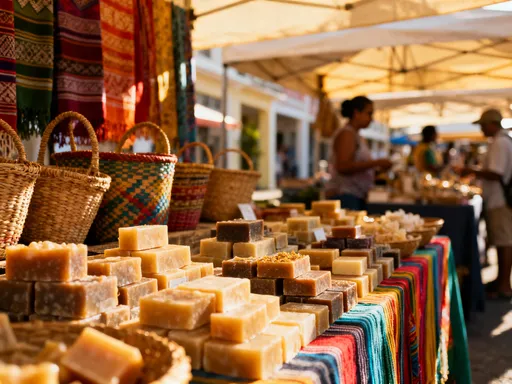
To truly discover Kingston’s handmade treasures, one must know where to look. The most famous destination is Coronation Market, a sprawling hub of activity in downtown Kingston. Open daily but busiest on weekends, it’s a sensory overload in the best way—rows of produce, stacks of spices, and vendors calling out prices. While primarily a food market, it also offers handmade baskets, soaps, and herbal remedies tucked between stalls.
For more curated artisan goods, visitors should explore craft cooperatives in Port Royal and weekend pop-up markets in New Kingston. These smaller venues often feature rotating vendors, including woodworkers, textile artists, and jewelry makers. Because they attract a more local crowd, the items are less likely to be mass-produced for tourists. Many artisans accept commissions, allowing travelers to take home a custom piece with personal meaning.
Timing matters. Early mornings offer the best selection and cooler temperatures, especially in open-air markets. Cash is preferred, and small bills are helpful for bargaining—though haggling should be done respectfully, not aggressively. A smile, a compliment, and a willingness to listen go further than any price negotiation.
Equally important is knowing what to avoid. Some shops near tourist hotels sell items labeled “Jamaican-made” that are actually imported from Asia. To ensure authenticity, look for signs of craftsmanship—imperfections in carving, uneven dye in fabric, or handwritten labels. Ask questions: Where was this made? Who made it? How long did it take? Genuine artisans are proud of their work and happy to share its story.
Taking Kingston Home: How to Pack and Share the Experience
Bringing Kingston’s treasures home requires thought and care. Spices and sauces, while compact, need secure packaging to prevent leaks. Rolling jars in soft clothing or using zip-top bags can help. For fragile items like wood carvings or ceramics, consider shipping through a local courier service that specializes in art transport. Many cooperatives offer this service, ensuring pieces arrive safely without the stress of airline handling.
Another option is to create a curated gift set—perhaps a small carving, a jar of hot sauce, and a bag of coffee—wrapped in locally woven fabric. This not only protects the items but also turns them into a meaningful present, perfect for sharing the spirit of Kingston with loved ones. Including a note about where each piece came from adds a personal touch, transforming souvenirs into stories.
More than logistics, the act of choosing what to bring home is a reflection of the journey. It’s tempting to buy something from every stall, but mindful selection leads to more lasting memories. A single, well-chosen item—a hand-carved spoon, a batik scarf, a bottle of pimento-infused vinegar—can evoke the entire trip more vividly than a suitcase full of trinkets.
And when these items are used—when the coffee is brewed, the sauce drizzled, the carving displayed—they do more than decorate a home. They keep a connection alive. They remind us of the people we met, the laughter we shared, the flavors that surprised us. In a world that often feels fast and impersonal, these handmade pieces offer something rare: authenticity, soul, and heart.
Conclusion
Kingston’s true magic isn’t just in its sights—it’s in the things made by hand, heart, and history. When you seek out its specialty products, you don’t just take souvenirs; you carry a piece of Jamaica’s spirit. Each jar of spice, each carved figure, each cup of coffee is a thread in a larger story—one of resilience, creativity, and community. Let your journey extend beyond the postcard and into the marketplace, where culture is crafted, shared, and remembered. In Kingston, the most valuable treasures aren’t found in museums. They’re held in the hands of those who make them.