This Is What Happens When Tahiti’s Festivals Meet Instagram Magic
You know that feeling when a place exceeds every expectation? Tahiti did that to me. Beyond the postcard-perfect beaches, I stumbled into vibrant festivals bursting with color, dance, and culture—each moment more instagram-worthy than the last. Think traditional drumming under palm trees, floral parades that stop traffic, and smiles so warm they rival the Pacific sun. If you're chasing authenticity with serious visual impact, Tahiti’s festival scene is an absolute game-changer. It’s not just about snapping beautiful photos; it’s about stepping into a living, breathing cultural celebration where every rhythm, costume, and chant tells a story centuries in the making. In an age where travel often leans toward curated perfection, Tahiti offers something rarer: raw, joyful truth.
The Pulse of Tahiti: Where Culture Comes Alive
Tahiti is more than a tropical paradise—it is a cultural heartbeat pulsing through the South Pacific. At the core of this identity are its festivals, deeply rooted in Polynesian traditions that have been passed down through generations. These are not staged performances for tourists but authentic expressions of community, ancestry, and pride. When visitors witness a festival in full swing, they are not merely observing—they are being welcomed into a world where music, dance, and storytelling are woven into the fabric of daily life. The sound of wooden drums resonates through villages, summoning families to gather, dance, and honor their heritage. Each movement, each chant, carries meaning, often tied to myths, historical events, or natural elements like the ocean, wind, and sun.
One of the most powerful aspects of Tahitian festivals is their inclusivity. While they are deeply spiritual and culturally significant, they are also open-hearted. Locals do not see themselves as performers but as participants in a shared legacy. Children learn dances from their grandparents, and entire families rehearse together for months leading up to major events. This collective effort strengthens community bonds and ensures that traditions remain vibrant. The energy is palpable—there is laughter, pride, and a sense of continuity that transcends age. For the visitor, this creates a rare opportunity: to not just watch, but to feel part of something greater.
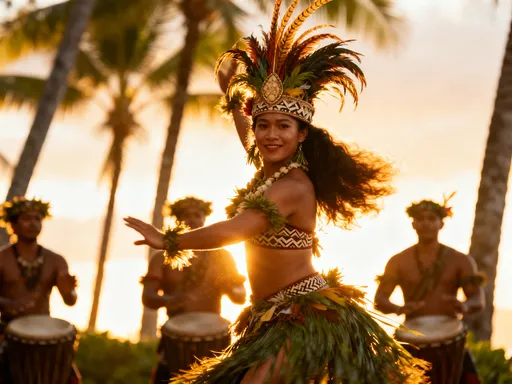
Dance, in particular, is the soul of these celebrations. Unlike Western performances that emphasize individual talent, Tahitian dance is a group expression of unity and strength. The movements are powerful, grounded, and rhythmic, often mimicking natural elements—waves, birds in flight, or the sway of coconut palms. Costumes made from natural fibers, shells, feathers, and flowers enhance the visual impact, transforming dancers into living works of art. The drumming, led by skilled percussionists using traditional wooden instruments, sets the tempo and mood. It is not background music; it is a conversation between the past and present, a call to remember and celebrate.
For travelers seeking meaningful experiences, understanding this cultural depth is essential. Tahiti’s festivals are not entertainment—they are education, preservation, and joy all at once. To witness them is to gain insight into a worldview where nature, ancestry, and community are inseparable. This authenticity is what makes the islands so compelling, especially in an era when many destinations feel increasingly commercialized. Here, culture is not for sale—it is lived.
Heiva i Tahiti: A Visual Explosion Like No Other
No festival embodies the spirit of Tahiti more fully than Heiva i Tahiti, an annual celebration that transforms the islands into a stage of unmatched vibrancy. Held each July, this month-long event is the pinnacle of Polynesian cultural expression, drawing thousands of locals and visitors alike. It is not a single performance but a series of competitions, ceremonies, and community gatherings that showcase the best of Tahitian artistry. From dance and music to traditional sports and crafts, Heiva is a full immersion into the richness of island life. For those with a camera in hand, it is nothing short of a visual feast—every moment saturated with color, motion, and emotion.
The centerpiece of Heiva is the dance competition, where groups from across the islands present meticulously choreographed performances. The most iconic of these is the *'ōte'a*, a traditional dance form characterized by rapid hip movements, synchronized gestures, and elaborate costumes. Dancers—often numbering in the dozens—move as one, their precision a testament to months of rehearsal. The costumes are masterpieces in themselves: skirts made from dried palm fibers, headdresses adorned with feathers and flowers, and body paint that enhances every motion. The visual impact is staggering, especially under the tropical sun or the glow of firelight at night.
But it is not just the sight that captivates—it is the sound, the rhythm, the energy. The drumming, performed on wooden *to'ere* and *pahu* drums, creates a pulse that resonates in the chest. The music is not recorded; it is live, powerful, and deeply connected to the dancers’ movements. There is a rawness to it, a sense of immediacy that no studio production could replicate. For photographers and content creators, this presents both a challenge and an opportunity. The speed and intensity of the dances make it difficult to capture every detail, and smartphone cameras often struggle to keep up with the dynamic range of light and motion. Yet, this very unpredictability is what makes the footage so compelling—authentic, unfiltered, alive.
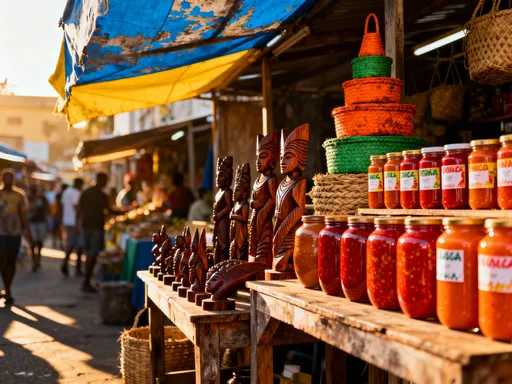
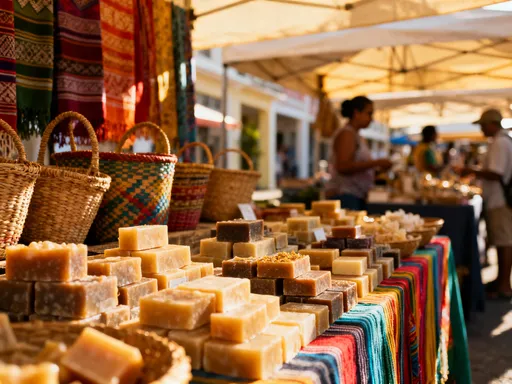
Heiva also includes other traditional events that add depth to the experience. Outrigger canoe races, known as *va'a*, take place along the coast, with teams paddling in perfect unison across turquoise waters. These races are not just athletic competitions; they are a tribute to the seafaring heritage of Polynesians, who navigated vast ocean distances using stars, waves, and wind. Craft fairs showcase local artisans selling handwoven baskets, carved wood sculptures, and *tapa* cloth made from bark. Visitors can sample traditional foods like poisson cru (raw fish marinated in coconut milk), roasted pork, and tropical fruits. Every element of Heiva is designed to celebrate and preserve culture, not to cater to tourist expectations.
Beyond the Main Event: Hidden Festival Moments You Can’t Plan
While Heiva i Tahiti is the most famous celebration, some of the most memorable moments happen far from the spotlight. Across the Society Islands—Tahiti, Moorea, Raiatea, and beyond—smaller, spontaneous festivals occur throughout the year. These are not advertised in guidebooks or listed on event calendars. They emerge from the rhythms of island life: a village church anniversary, a family’s first child blessing, or a harvest thanksgiving. It is in these unplanned gatherings that travelers often find the most genuine connections.
Imagine arriving in a quiet coastal village just as a procession begins. Elders walk slowly, draped in fine *pareo* wraps, leading a group of children adorned with floral crowns. A local choir sings in harmonious polyphony, their voices rising above the sound of the waves. A simple arch made of hibiscus and frangipani marks the entrance to a community hall where food is shared and stories are told. There is no stage, no ticket, no schedule—just celebration. These moments are fleeting, unrepeatable, and deeply moving. They remind us that culture is not confined to festivals; it lives in everyday gestures, in shared meals, in songs passed from one generation to the next.
For the observant traveler, these experiences offer some of the most photogenic and emotionally resonant opportunities. A child twirling in a homemade costume, a fisherman joining a drum circle after a long day at sea, an elder teaching a young girl the steps of a traditional dance—these are the images that linger long after the trip ends. They cannot be staged or recreated, which makes them all the more valuable. The key to encountering them is not meticulous planning but presence. Slowing down, staying in local guesthouses, and building rapport with residents increases the chances of being invited—or simply welcomed—into these intimate moments.
One of the most beautiful aspects of Tahitian culture is its openness. While deeply proud of their traditions, islanders are also generous with their hospitality. They do not see visitors as outsiders but as guests to be included. This spirit of inclusion is especially strong during celebrations, when the entire community comes together. For travelers, this means that even a brief visit can turn into a meaningful exchange. A smile, a shared meal, a moment of dance—these small acts create lasting memories and mutual respect.
Chasing Light: The Best Times and Angles for Stunning Photos
Capturing the essence of Tahitian festivals requires more than a good camera—it demands an understanding of light, timing, and cultural sensitivity. The tropical environment offers unique photographic opportunities, but also challenges. Harsh midday sun can wash out colors and create unflattering shadows, while the fast-paced movements of dancers can result in motion blur if not approached thoughtfully. The key is to plan around natural light and anticipate moments of peak emotion.
Golden hour—shortly after sunrise and before sunset—is ideal for festival photography. During these times, the light is soft, warm, and directional, perfect for highlighting textures like woven costumes, feather details, and body paint. Early morning rehearsals often take place in open-air pavilions or under shaded trees, providing diffused lighting that enhances clarity without glare. Positioning the sun behind the subject can create a dramatic backlight effect, illuminating the edges of headdresses and silhouetting dancers against the sky or ocean. This technique adds depth and drama to images, making them more evocative.
While drones have become popular tools for travel photography, their use during Tahitian festivals is often restricted. Many communities consider certain ceremonies sacred and do not permit aerial filming out of respect for tradition. Additionally, drone noise can disrupt performances and disturb participants. Travelers should always ask for permission before flying a drone and be prepared to refrain if requested. Instead, elevated ground-level shots—taken from a nearby hill, balcony, or boat—can offer compelling perspectives without intrusion.
Natural elements play a crucial role in visual storytelling. The ocean, with its reflective surface, can double the impact of a performance when captured at the right angle. Palm tree silhouettes frame dancers beautifully, especially at dusk. Firelight, used in nighttime ceremonies, adds warmth and mystery, casting flickering shadows that enhance the emotional intensity of a scene. Photographers who pay attention to these details can create images that go beyond documentation—they tell stories.
Equally important is the ethical dimension of festival photography. While it is tempting to snap pictures freely, doing so without consent can feel invasive. Many locals are happy to be photographed, especially if approached with a smile and a simple gesture of respect. A quick nod, a quiet “May I take your photo?” in broken Tahitian or French, goes a long way. Some families may even invite you to join their group for a picture. These interactions often result in the most authentic and joyful images—ones that reflect connection, not just observation.
Getting There & Timing It Right: A Traveler’s Festival Calendar
Planning a trip around Tahiti’s festivals requires careful timing and preparation. The most popular period is mid-year, from June to August, when Heiva i Tahiti takes place. This is also the peak tourist season, meaning flights and accommodations book up months in advance. Travelers should aim to secure lodging by early spring, especially if hoping to stay in Papeete, Moorea, or other central locations. Direct international flights arrive at Faa’a International Airport, located just outside Papeete, with connections from Los Angeles, Paris, Tokyo, and Auckland.
Once on the islands, inter-island travel is possible via ferry or small plane. The *Aremiti* ferries operate regularly between Tahiti and Moorea, offering scenic crossings in about 30 minutes. Air Tahiti provides short flights to more remote islands like Raiatea, Huahine, and Bora Bora, where smaller, local festivals often coincide with religious holidays or community milestones. These off-the-beaten-path events provide quieter, more intimate experiences, ideal for travelers seeking authenticity over spectacle.
Outside of Heiva, cultural celebrations occur year-round. Easter season often features church-based festivities with choral performances and floral decorations. November and December bring end-of-year events, including Christmas markets and New Year’s Eve celebrations infused with Tahitian music and dance. Even smaller villages host annual *fêtes* to honor their patron saints or local history, complete with food stalls, games, and impromptu performances. These events are rarely advertised internationally, so staying connected with local communities—through guesthouse hosts or cultural centers—can provide valuable leads.
For those unable to travel during peak season, visiting during the shoulder months (April–May or September–October) still offers a chance to experience cultural life. While the large-scale competitions may not be running, daily traditions continue: dance rehearsals, craft workshops, and family gatherings. These quieter moments allow for deeper engagement and more personal interactions. The weather remains pleasant, with lower humidity and fewer crowds, making it easier to explore at a relaxed pace.
Respectful Engagement: How to Be a Welcome Guest
As interest in cultural tourism grows, so does the responsibility to engage with local communities in a respectful and meaningful way. In Tahiti, where traditions are deeply valued, visitors are not just tourists—they are guests. This distinction shapes how one should behave, dress, and interact. Simple gestures of respect—such as removing shoes before entering a home, dressing modestly during ceremonies, and using basic Tahitian greetings—can open doors and deepen connections.
Photography, while a natural part of modern travel, requires particular sensitivity. Not every moment is meant to be recorded. Some rituals, especially those with spiritual significance, are private. It is always best to ask before taking photos, especially of individuals, children, or during solemn parts of a ceremony. A respectful pause, a smile, and a quiet request often lead to enthusiastic consent—and sometimes an invitation to participate. When photographing dancers, focus on the group rather than isolating individuals, unless given clear permission.
Another important consideration is cultural appropriation. Tahitian attire, such as the *pareo* (a wrapped skirt) or floral crowns, is often worn by visitors as fashion. While locals appreciate the admiration, mimicking sacred symbols or wearing ceremonial garments without understanding their meaning can be offensive. For example, certain feather headdresses or tattoos carry specific spiritual or ancestral significance and should not be replicated casually. Instead, travelers can support local culture by purchasing authentic crafts, attending workshops, and learning about the stories behind the symbols.
Participating in a dance class or drumming session is one of the most rewarding ways to engage. Many communities offer cultural workshops for visitors, providing hands-on experiences that go beyond observation. These activities foster mutual respect and allow travelers to contribute to the preservation of traditions. Even a simple attempt to learn a few words in Tahitian—such as *ia ora na* (hello) or *māuruuru* (thank you)—is met with warmth and appreciation. Language is a bridge, and every small effort strengthens it.
Why This Matters: Preserving Culture Through Conscious Travel
Tahiti’s festivals are not just beautiful spectacles—they are vital acts of cultural preservation. In a world where indigenous traditions are increasingly threatened by globalization, these celebrations serve as living archives of knowledge, identity, and resilience. Every drumbeat, every dance step, every woven costume is a declaration: we are still here, and we are proud. Tourism, when approached with care and respect, can play a powerful role in sustaining these traditions.
When visitors attend festivals, purchase handmade crafts, or stay in family-run accommodations, they contribute directly to the local economy. This support enables artists, dancers, and elders to continue their work, passing it on to younger generations. It also affirms the value of cultural identity in a globalized world. Unlike mass tourism that reduces destinations to backdrops for photos, conscious travel recognizes people as the heart of any place. It shifts the focus from consumption to connection, from filters to feeling.
For the traveler, this kind of engagement leads to richer, more fulfilling experiences. Instead of collecting likes on social media, they collect memories rooted in real human interaction. They return home not just with stunning photos, but with stories, lessons, and a deeper understanding of another way of life. And in sharing those stories—responsibly, respectfully—they help others see Tahiti not as a fantasy, but as a living, evolving culture worthy of honor.
So the next time you plan a trip, consider what kind of traveler you want to be. Do you want to observe from a distance, or do you want to step into the circle, feel the rhythm, and let the culture move you? Tahiti invites you not just to visit, but to participate—with your eyes, your heart, and your respect. In doing so, you become part of something timeless.