You’ve Never Seen Nature Like This – Akureyri’s Hidden Wonders Uncovered
Iceland isn’t just about Reykjavík and the Blue Lagoon—head north to Akureyri, and you’ll find a different kind of magic. Slowing down here isn’t a choice; it’s the only way to truly see the raw beauty of waterfalls, geothermal valleys, and midnight sunrises. This is nature at its most honest, where time stretches and every mountain feels like it’s whispering secrets. If you’re craving real connection over打卡 tourism, Akureyri delivers. Nestled along the shores of Eyjafjörður, Iceland’s longest fjord, this modest town of fewer than 20,000 people offers a gateway to landscapes that feel untouched by time. Here, the air is crisp, the pace is gentle, and the horizon is framed by snow-capped peaks that glow under the midnight sun. It’s a place where travelers trade itineraries for intuition, and discovery happens not by ticking boxes, but by simply being present.
Why Akureyri? The Allure of Iceland’s Hidden North
Akureyri is often called the capital of North Iceland, though it wears the title lightly. Unlike the bustling streets of Reykjavík, Akureyri unfolds quietly, its colorful houses nestled between steep mountains and the deep blue waters of the fjord. There are no grand monuments or neon signs—just a sense of calm that settles over visitors almost immediately. This is a town shaped by nature, not industry, where the rhythm of daily life syncs with the seasons. Winter brings long nights and soft snowfalls; summer ushers in nearly 24 hours of daylight, perfect for wandering without urgency.
What makes Akureyri special is not just its beauty, but its position as a thoughtful starting point for exploring the northern region. It’s accessible—just a 45-minute flight from Reykjavík or a scenic six-hour drive—but far enough from the main tourist circuit to feel like a true escape. While the Golden Circle draws crowds, Akureyri offers space to breathe. The town’s modest size means you can walk from the botanical gardens to the harbor in under 20 minutes, yet within an hour’s drive, you can stand on the edge of a volcanic crater or bathe in geothermal warmth.
For travelers seeking authenticity, Akureyri provides a rare balance: modern comforts without commercialization. Local cafés serve homemade pastries using rhubarb grown in private gardens; bookshops display works by Icelandic poets; and community events, like open-air concerts in summer or Christmas markets in December, reflect a culture that values togetherness over spectacle. This is not a place designed for Instagram moments, but for lived experiences—where the joy comes not from capturing the perfect photo, but from feeling the wind on your face as you watch the sun graze the mountaintops at 11 p.m.
The Rhythm of Slow Travel: Moving with the Land, Not Against It
Traveling through Akureyri is less about destinations and more about presence. The concept of slow travel finds its natural home here, where the environment resists haste. There are no traffic jams, few timed tours, and little pressure to “see it all.” Instead, visitors are invited to move with the land, not against it. This means waking when the light begins to rise, even if that’s at 3 a.m. in summer, and allowing the day to unfold without a rigid schedule.
Imagine sitting on a bench overlooking Eyjafjörður with a thermos of coffee, watching as the morning fog slowly lifts from the water like a curtain rising on a quiet performance. Or spending an entire afternoon beside Goðafoss, the “Waterfall of the Gods,” not just snapping photos, but listening to the roar, feeling the mist, and noticing how the light shifts as clouds pass overhead. These are not passive moments—they are acts of attention, a way of relearning how to be still in a world that rarely allows it.
Slow travel in Akureyri also means embracing unpredictability. A planned hike might be replaced by an unexpected conversation with a local gardener, or a sudden downpour might lead you to a cozy teahouse where you spend two hours reading and sipping herbal infusions. These detours aren’t disruptions—they’re the heart of the journey. Scientific studies have shown that slowing down in natural environments reduces stress and improves mental clarity, and Akureyri offers the ideal conditions for such renewal. The absence of noise, the vastness of the sky, and the simplicity of daily rhythms create a space where the mind can finally rest.
Even evening routines become rituals. After dinner at a family-run restaurant serving lamb stew and fresh rye bread, many visitors head to a geothermal pool, where steam rises into the cool air as stars begin to appear. There’s no rush to leave, no loud music, just quiet conversation and the occasional splash of someone gliding through the warm water. In these moments, time feels expansive, and the day’s experiences settle deeply, not as memories to be shared online, but as personal gifts to carry forward.
Gönguskógar: Where Forest Whispers Meet Mountain Air
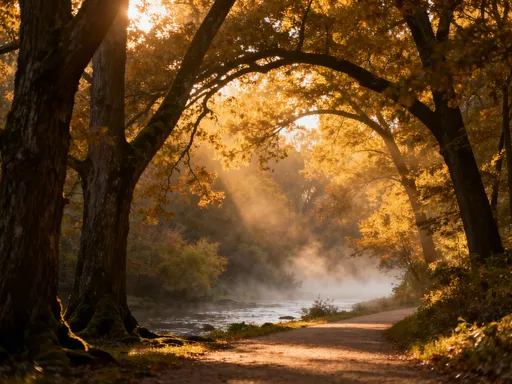
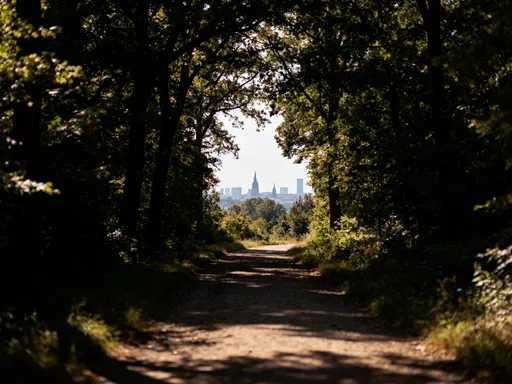
Just a short walk from Akureyri’s center lies Gönguskógar, a network of forest trails that offers one of the most peaceful experiences in Iceland. Given the country’s largely treeless landscape, these woodlands are a rare treasure. Planted over decades with the help of local volunteers, the forest is modest in size but rich in atmosphere. Pine, birch, and rowan trees line the winding paths, their roots cushioned by thick layers of moss that absorb sound and soften every step.
Walking through Gönguskógar is a sensory journey. In summer, the air carries the sharp, clean scent of pine and the sweetness of wildflowers. Birdsong fills the canopy—robins, redwings, and the occasional golden plover—while sunlight filters through the leaves in dappled patterns. Even in winter, when snow blankets the ground and the trees stand bare, the forest retains its magic. The silence is profound, broken only by the crunch of boots on frozen paths or the distant call of a raven.
What makes Gönguskógar special is its accessibility and year-round appeal. The trails are well-maintained and suitable for all ages and fitness levels, making it a favorite spot for families, elderly residents, and solo walkers alike. Benches are placed at scenic viewpoints, inviting visitors to pause and take in the vista of the fjord below. Some paths lead to small clearings where locals have left handwritten notes or carved initials into stones—a quiet testament to the personal connections formed here.
For many, a walk in Gönguskógar becomes a daily ritual. It’s not about distance or speed, but about stepping away from the noise of daily life and reconnecting with the natural world. The forest teaches a simple truth: beauty doesn’t require grandeur. A single mushroom pushing through moss, a spiderweb glistening with dew, the way light catches on a frozen puddle—these small wonders are everywhere, if you’re willing to look slowly.
Lake Mývatn: A Geological Wonderland Worth the Journey
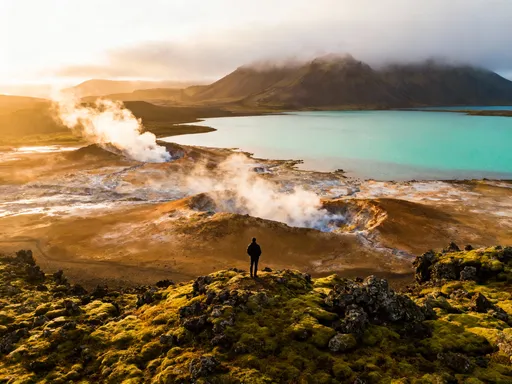
Less than 90 minutes from Akureyri by car, Lake Mývatn offers one of the most surreal landscapes in Iceland. This region, shaped by volcanic activity over thousands of years, feels like another planet. Lava fields stretch in rippled patterns, frozen in time like dark waves. Steam rises from fumaroles, and bubbling mud pots gurgle in hues of gray and ochre. The lake itself, shallow and rich in nutrients, supports a thriving ecosystem of birds, including ducks, swans, and the elusive harlequin duck.
Unlike many tourist destinations, Lake Mývatn rewards patience. A quick stop might yield a few photos, but a full day—or better yet, an overnight stay—reveals its deeper layers. The area is home to several distinct sites, each with its own character. Dimmuborgir, a labyrinth of lava formations, looks like the ruins of an ancient fortress. The pseudo-craters of Skútustadagígar rise from the wetlands like domed sentinels, formed when lava flowed over wetlands and exploded into steam.
One of the most peaceful experiences is visiting the Mývatn Nature Baths, a geothermal spa often described as a quieter, more natural version of the Blue Lagoon. The milky blue water, rich in minerals, is heated by underground volcanic activity. Floating in the warmth while surrounded by lava fields and distant mountains creates a sense of harmony between body and earth. Because the site is less crowded, visitors can soak for hours, reading, meditating, or simply watching the light change across the water.
Responsible travel is essential here. While the landscape appears rugged, it is fragile. The moss that covers the lava fields can take decades to regrow if damaged. Visitors are encouraged to stay on marked paths, avoid loud noises, and leave no trace. By moving gently and respectfully, travelers honor the land and ensure that future generations can experience its quiet power. Lake Mývatn is not a place to conquer or capture—it is a place to witness, to feel, and to remember.
Whales, Waterfalls, and Winter Lights: Seasonal Natural Wonders
Akureyri’s location along the fjord makes it one of the best places in Iceland for whale watching. From May to September, boats depart daily from the harbor, heading into the deep waters of Eyjafjörður, where cold Arctic currents meet warmer Atlantic flows. This convergence creates rich feeding grounds for marine life. Humpback whales are the most commonly seen, their massive tails breaching the surface in slow, powerful arcs. Minke whales glide silently beneath the waves, while orcas—rare but thrilling—sometimes appear in small pods.
Whale watching here is not a guaranteed spectacle, but that’s part of its beauty. There’s no artificial stimulation or crowded decks—just a small boat, a knowledgeable guide, and the vastness of the sea. Passengers bundle in warm clothing, sip hot chocolate, and scan the horizon with quiet anticipation. When a whale finally appears, the reaction is never loud cheers, but soft gasps and shared smiles. These moments feel earned, not manufactured.
In contrast, winter transforms Akureyri into a land of silence and light. With darkness stretching over 18 hours a day, the nights become a canvas for the Northern Lights. On clear evenings, green and purple ribbons dance across the sky, reflected in the still waters of the fjord. Viewing spots around the town—such as the hilltop Hlíðarfjall ski area or the open fields near the airport—offer unobstructed views. Local tour operators offer guided Northern Lights excursions, but many visitors find equal magic simply stepping outside their accommodations and looking up.
The changing seasons also bring unique waterfalls into full force. In spring, as snow melts from the highlands, waterfalls like Aldeyjarfoss and Goðafoss swell with power, their thunder echoing through the valleys. Winter, meanwhile, turns some falls into frozen sculptures, their cascades paused mid-motion like glass. Each season offers a different way to experience the same places, reminding travelers that nature is never static—it is always in motion, always revealing something new.
Beyond the Tourist Trail: Local Encounters and Quiet Moments
One of the most rewarding aspects of visiting Akureyri is the ease of connection with local life. This is not a town built for mass tourism, so interactions feel genuine, not performative. At the Akureyri Botanical Garden, visitors might find themselves chatting with a volunteer gardener who explains how rhubarb thrives in the cool climate, or how lupines were introduced to stabilize soil but have since spread across the countryside in vibrant purple waves.
Cafés like Sandfelli or Kaffi Bar offer more than coffee—they provide windows into daily rhythms. A woman reads the newspaper with a slice of skyr cake; a group of retirees plays cards in the corner; a young mother pushes a stroller and greets the barista by name. These scenes are unremarkable in the best way, offering a sense of belonging without pretense. Ordering a pastry becomes a small act of participation in community life.
Seasonal events deepen this sense of connection. In June, the town celebrates Þjóðhátíð, a midsummer festival with music, food, and fireworks over the fjord. In December, the Christmas market fills the central square with handmade crafts, mulled wine, and carol singing. These gatherings are not staged for tourists—they are real moments of celebration, open to all. By slowing down and staying long enough to witness them, visitors move from being observers to participants.
Even simple acts—buying bread from a local bakery, asking for directions at a grocery store, or watching children play in a park—become meaningful. They remind us that travel is not just about seeing new places, but about remembering our shared humanity. In Akureyri, where life moves at a human pace, these quiet moments accumulate into a deeper kind of richness—one measured not in sights, but in feelings.
How to Plan Your Own Slow Journey: Practical Tips for a Meaningful Trip
Planning a trip to Akureyri with intention makes all the difference. Start by choosing accommodations that reflect the town’s character. Family-run guesthouses, boutique hotels with local art, or even a countryside cottage offer more authenticity than chain lodgings. Staying within walking distance of the center allows for easy exploration without relying on a car every day.
Renting a car is highly recommended for day trips, especially to Lake Mývatn, Goðafoss, or the coastal villages of the north. Iceland’s roads are well-maintained, and driving offers the freedom to stop wherever inspiration strikes—a flock of sheep crossing the road, a hidden viewpoint, a small church with an open door. Always check road conditions through the official Icelandic transport website, particularly in winter, when snow and ice can affect travel.
Packing for Akureyri means preparing for changeable weather. Layers are essential: a moisture-wicking base, a warm mid-layer, and a wind- and waterproof outer shell. Sturdy walking shoes are a must, especially for forest and lava field trails. Don’t forget a thermos—hot drinks make long walks and whale watching much more enjoyable.
Most importantly, plan for slowness. Rather than filling every day with activities, choose one or two meaningful experiences and allow time to linger. Stay at least four nights to truly settle in. Leave room in the schedule for spontaneity—a sudden invitation to a local event, an unexpected downpour that leads to a bookstore, or a sunrise that’s too beautiful to ignore. The best moments in Akureyri are rarely planned; they emerge from presence, patience, and a willingness to be surprised.
Akureyri doesn’t shout—it invites. In a world obsessed with speed and checklists, this quiet corner of Iceland reminds us that wonder grows in stillness. The true magic isn’t just in what you see, but in how it changes the way you move through the world. Let Akureyri teach you to travel slower, feel deeper, and remember why you started exploring in the first place.