You Won’t Believe These Secret Natural Escapes in Washington DC
Who knew a bustling city like Washington DC hides such breathtaking natural beauty? I was shocked too—until I stepped off the National Mall and found quiet forests, serene rivers, and blooming gardens just minutes from the monuments. This isn’t just a political hub; it’s a green oasis waiting to be explored. If you're craving nature without leaving the city, you have to check out what DC quietly keeps under wraps. Far from the polished corridors of power, the capital reveals a softer, more soulful side through its parks, waterways, and protected landscapes. These hidden sanctuaries offer not just scenic relief, but a chance to slow down, breathe deeply, and reconnect with the rhythms of the natural world. For families, couples, or solo travelers seeking peace amid urban energy, Washington DC delivers in ways few would expect.
Beyond the Monuments: Discovering DC’s Hidden Green Heart
When most people think of Washington DC, images of the Capitol Dome, the Washington Monument, and the Lincoln Memorial come to mind. These iconic landmarks define the city’s global identity as the heart of American governance. Yet beneath this well-known political surface lies a lesser-known truth: DC is also a city deeply woven with green spaces, many of which remain overlooked by both tourists and locals alike. These natural enclaves are not afterthoughts; they are intentional, protected areas that offer balance to the city’s formal grandeur. From forested ravines to expansive botanical gardens, Washington DC’s green heart pulses quietly but powerfully.
The city’s commitment to preserving nature dates back to its original design. Pierre L'Enfant, the French-born architect who laid out the capital’s plan in the 18th century, envisioned wide avenues, open spaces, and natural vistas as essential to the city’s beauty and livability. Today, that vision lives on in more than 7,500 acres of parkland managed by the National Park Service alone. These spaces serve not only as recreational areas but also as vital ecological corridors, supporting wildlife, improving air quality, and offering residents a refuge from urban stress. What’s remarkable is how seamlessly these green zones integrate into the cityscape—just a short walk from a museum or government building, and suddenly, you’re surrounded by birdsong and rustling leaves.
For women in their 30s to 50s—often juggling family, work, and personal well-being—these natural escapes offer something invaluable: a sense of calm and renewal. Unlike crowded tourist spots, these quieter corners invite slow exploration, mindful breathing, and moments of solitude. Whether it’s a morning walk through dew-kissed grass or an afternoon picnic under a canopy of trees, these experiences provide emotional grounding in a fast-moving world. The contrast between the city’s monumental architecture and its hidden natural beauty creates a unique duality, one that enriches the visitor’s experience far beyond what guidebooks typically highlight.
Rock Creek Park: The Wild Pulse in the City’s Chest
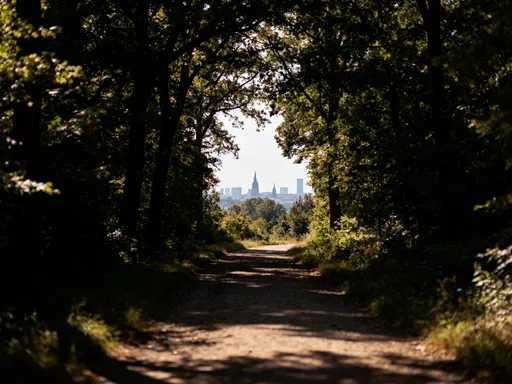
Spanning over 1,700 acres, Rock Creek Park is one of the largest urban forests in the United States and a crown jewel of Washington DC’s green network. Established in 1890, it predates many of the city’s most famous monuments, standing as a testament to early conservation efforts. Nestled in the northwest quadrant of the city, the park stretches from the U.S. National Zoo down to the Potomac River, forming a lush, winding corridor that feels worlds away from the urban bustle just beyond its borders. Here, towering oaks, tulip poplars, and beech trees create a dense canopy, while Rock Creek itself meanders through the landscape, its gentle flow a constant companion to hikers and bikers alike.
The park offers more than 32 miles of trails, catering to all levels of outdoor enthusiasts. The Valley Trail, which follows the creek, is a favorite for its accessibility and scenic beauty. Families often stroll along its flat, well-maintained path, while runners and cyclists use the parallel Beach Drive, a scenic road that closes to vehicles on weekends, creating a safe, car-free environment. For those seeking a bit more adventure, the harder-to-reach sections of the park, like the trails near Peirce Mill, offer a more rugged, immersive experience. The sounds of traffic fade, replaced by the rustle of leaves, the chirp of cardinals, and the occasional rustle of a fox or deer in the underbrush.
Rock Creek Park is also home to the Nature Center and Planetarium, a hub for environmental education and family-friendly programming. Interactive exhibits introduce children to local wildlife, while ranger-led walks and birdwatching tours deepen visitors’ understanding of the ecosystem. Horseback riding is another unique offering, with guided trail rides available through the park’s stables, allowing riders to experience the forest from a different perspective. These activities aren’t just recreational—they foster a sense of connection to nature that can be hard to find in daily life. For mothers looking to engage their children with the outdoors, or for women seeking a peaceful morning walk, Rock Creek Park delivers both beauty and meaning.
The U.S. National Arboretum: Where Nature Meets Monumental Beauty
Just a short drive from the Capitol, the U.S. National Arboretum spans 446 acres of meticulously curated gardens, woodlands, and open meadows. Operated by the U.S. Department of Agriculture, this living museum of trees and plants is both a scientific resource and a public sanctuary. Unlike the more manicured spaces of the National Mall, the arboretum invites visitors to explore at a slower pace, where every turn reveals a new sensory delight. From the fragrant blossoms of the azalea collection to the sculptural forms of the bonsai exhibit, the arboretum blends horticultural artistry with natural serenity.
One of the most iconic features is the National Capitol Columns, 22 Corinthian columns that once supported the east portico of the U.S. Capitol. Now arranged in a sunlit meadow, they stand as a poetic fusion of history and nature, their grandeur softened by the wildflowers and grasses that grow around them. This juxtaposition—of human achievement and natural reclamation—creates a powerful emotional resonance, especially for those who appreciate the passage of time and the quiet resilience of the earth. The columns are particularly striking at sunrise or late afternoon, when the light casts long shadows and bathes the stone in a warm glow.
Seasonal changes bring their own magic. In spring, the cherry blossoms—though less crowded than those along the Tidal Basin—offer a delicate pink haze across the landscape. The National Grove of State Trees, where each U.S. state is represented by its official tree, becomes a living map of the nation’s botanical diversity. Fall transforms the arboretum into a tapestry of reds, golds, and ambers, drawing photographers and leaf-peepers alike. Even in winter, the bare branches and frosted lawns have a quiet dignity, perfect for reflective walks.
For women seeking a space that combines beauty, history, and tranquility, the arboretum is ideal. It’s spacious enough to avoid feeling crowded, yet intimate enough to feel personal. Benches are thoughtfully placed beneath trees, inviting visitors to sit, journal, or simply breathe. Educational signage is unobtrusive but informative, making the experience both enriching and relaxing. Whether visiting alone or with family, the U.S. National Arboretum offers a rare kind of peace—one that feels both grand and grounding.
Georgetown Waterfront & The C&O Canal: A Riverside Retreat
Along the banks of the Potomac River, the Georgetown Waterfront and the Chesapeake and Ohio Canal form a scenic corridor that blends natural beauty with historic charm. Once a vital transportation route in the 19th century, the C&O Canal has been transformed into a 184.5-mile recreational trail, with the DC section offering some of the most accessible and picturesque stretches. The towpath, originally used by mules to pull barges, is now a favorite among walkers, joggers, and cyclists. Lined with trees, wildflowers, and views of the river, it provides a peaceful escape just minutes from downtown.
Georgetown, one of DC’s oldest neighborhoods, serves as a perfect gateway to this riverside experience. Cobblestone streets, historic homes, and boutique shops give the area a timeless quality. But beyond the shopping and dining, the waterfront park offers wide walkways, green lawns, and panoramic views of the river and Key Bridge. Benches face the water, inviting quiet contemplation, while families gather for picnics or fly kites on breezy afternoons. The contrast between the historic brick warehouses and the flowing river creates a sense of continuity—of a city that honors its past while embracing natural beauty.
For a more active experience, paddle sports are increasingly popular. Kayak and paddleboard rentals are available seasonally, allowing visitors to explore the Potomac from the water. Gliding along the surface, you might spot herons wading in the shallows or turtles sunning themselves on rocks. The pace is slow, the rhythm soothing—perfect for releasing stress and reconnecting with the present moment. Biking the towpath is another excellent option, with bike share stations nearby making access easy. The flat, well-maintained path is suitable for all ages, making it a great choice for family outings.
What makes this area especially appealing to women in the target age group is its blend of accessibility and serenity. Unlike crowded tourist spots, the C&O Canal towpath remains relatively uncrowded, especially on weekday mornings. It’s a place where you can walk without distraction, listen to a podcast, or practice mindfulness with each step. The river’s steady flow becomes a metaphor for letting go—of worries, of to-do lists, of the constant pull of responsibility. In this space, nature and history coexist in harmony, offering both beauty and emotional renewal.
Anacostia Park & Kingman Island: Urban Renewal Through Nature
On the eastern side of the Anacostia River, Anacostia Park and Kingman Island represent a powerful story of environmental restoration and community resilience. Once degraded by pollution and neglect, this area has undergone a remarkable transformation in recent decades. Today, it stands as a model of urban renewal through ecological stewardship. Anacostia Park, stretching over 1,200 acres, includes sports fields, picnic areas, and miles of riverfront trails. But it’s the islands—Kingman and Heritage—that offer the most immersive natural experience.
Kingman Island, a 45-acre man-made island created from dredged material in the early 20th century, has been restored to a thriving wetland habitat. Native plants, pollinator gardens, and wooded areas now support a growing diversity of birds, butterflies, and aquatic life. The island is accessible by footbridge from the park and features a network of eco-trails that wind through meadows and marshes. Interpretive signs explain the restoration process, making it an excellent destination for families and school groups. Events like the annual Anacostia River Festival celebrate both the environment and the surrounding communities, fostering a sense of shared ownership and pride.
For women who value sustainability and community engagement, this area holds deep significance. It’s not just beautiful—it’s meaningful. The ongoing efforts to clean the Anacostia River and revitalize its surroundings reflect a commitment to environmental justice and long-term well-being. Walking the trails, you might see volunteers planting native species or students conducting water quality tests. These moments remind us that nature is not separate from our lives; it’s something we can nurture and protect, even in the heart of a city.
The tranquility of Kingman Island is profound. Without the monuments or grand vistas of other DC attractions, it offers a different kind of beauty—one rooted in renewal, resilience, and quiet growth. Benches face the river, where egrets and kingfishers dart through the reeds. The air smells of damp earth and fresh greenery. It’s a place to reflect, to breathe, and to feel hope. For those seeking a deeper connection to nature and community, this hidden gem delivers on every level.
Seasonal Magic: When Nature in DC Truly Shines
One of the greatest gifts of Washington DC’s natural spaces is their transformation across the seasons. Each time of year brings its own unique beauty, offering fresh reasons to return. Spring is perhaps the most celebrated, with cherry blossoms drawing visitors from around the world. While the Tidal Basin gets the most attention, quieter spots like the National Arboretum, Dumbarton Oaks, and even the grounds of the National Cathedral offer equally stunning displays without the crowds. The delicate pink and white blooms create a fleeting but unforgettable spectacle, symbolizing renewal and the quiet power of nature.
Summer brings lush, full canopies and vibrant greenery. The parks become cool sanctuaries from the city’s heat, with dappled sunlight filtering through the leaves. This is the season for longer walks, outdoor yoga, and evening picnics. The C&O Canal towpath is especially pleasant in the early mornings, when the air is crisp and the trail is quiet. Rock Creek Park’s shaded trails offer relief, while the arboretum’s wide lawns are perfect for reading or napping under a tree. For families, summer is ideal for exploring nature programs, from bug hunts to stargazing events.
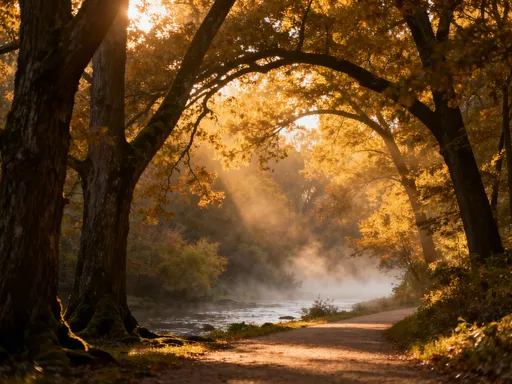
Fall transforms the city into a palette of warm hues. Maples, oaks, and sweetgums ignite in shades of red, orange, and gold. The National Arboretum and Rock Creek Park become prime destinations for leaf peeping, with pathways carpeted in fallen foliage. The air grows crisp, the light slants low, and the sense of change is palpable. It’s a season that invites reflection, making it perfect for journaling, photography, or simply walking with intention.
Even winter, often overlooked, has its quiet charm. Snow dusts the trees and trails, turning the parks into serene, monochromatic landscapes. The National Mall may be busy, but Rock Creek Park and the arboretum remain peaceful, offering solitude and stillness. Birdwatching becomes easier as leaves fall, revealing hidden nests and perching hawks. For those seeking a moment of calm in the holiday rush, a winter walk in DC’s green spaces can be deeply restorative.
How to Plan Your Nature-Focused Check-In: Practical Tips for Visitors
Exploring Washington DC’s natural escapes is easier than many realize, thanks to excellent public transportation, bike share programs, and well-marked access points. For visitors staying downtown, the Metro system connects to key park entrances, including the Tenleytown and Cleveland Park stations for Rock Creek Park, and the Stadium-Armory stop for Anacostia Park. Using the Metrorail and Metrobus, you can reach most green spaces within 20–30 minutes, making day trips entirely feasible.
Bike sharing through Capital Bikeshare offers another convenient option. With hundreds of stations across the city, you can pick up a bike near your hotel and ride directly to the C&O Canal towpath or along the Anacostia River Trail. Many parks have dedicated bike racks and repair stations, ensuring a smooth experience. For families, some locations offer bike rentals with child trailers or tandem options, making it easy to include younger members.
Timing your visit can enhance the experience. Early mornings, especially on weekdays, are ideal for avoiding crowds and enjoying the parks at their most peaceful. Sunrise walks along the Potomac or quiet moments in the arboretum offer a sense of exclusivity and calm. Packing a small backpack with water, snacks, comfortable shoes, and a light jacket ensures you’re prepared for changing conditions. A reusable water bottle and a small journal can deepen the experience, allowing you to stay hydrated and capture thoughts or observations.
For those with limited mobility, many parks offer accessible pathways. The National Arboretum, for example, has paved routes that lead to the Capitol Columns and bonsai pavilion. Rock Creek Park’s Nature Center and the C&O Canal towpath near Georgetown are also wheelchair-friendly. Ranger programs often include inclusive activities, ensuring that nature’s benefits are available to all.
The key to a meaningful visit is intention. Rather than rushing from one site to another, consider slowing down. Choose one or two locations per day. Sit on a bench. Listen. Breathe. Let the natural world work its quiet magic. These moments of presence are where true restoration begins.
Washington DC is more than marble halls and political power—it’s a city where nature thrives in surprising corners. These green sanctuaries don’t just offer beauty; they restore balance in a fast-paced world. Next time you’re in the capital, skip the usual checklist and let the trees, rivers, and gardens be your guide. You might just leave refreshed, reconnected, and amazed at what you never knew was there.