This Greek Island’s Cityscape Will Break Your Camera—Here’s Why
You know that feeling when you stumble upon a place so unreal, you keep pinching yourself? That was Milos, Greece. I came for the beaches, but stayed for the jaw-dropping cityscape—white-washed cliffs stacked like Legos, winding staircases that lead to nowhere and everywhere, and sunset views that look Photoshopped (but aren’t). It’s like someone took the best parts of Santorini and mixed them with untouched local charm. If your feed’s craving authenticity with a side of pure magic, Milos is calling.
First Impressions: A Visual Punch You Don’t See Coming
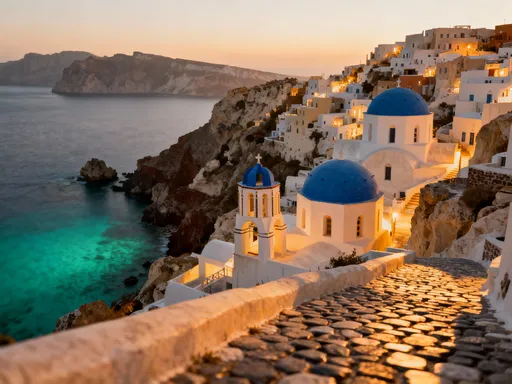
Arriving by ferry, Milos greets visitors with a quiet confidence. Unlike the grand theatrical entrances of Mykonos or Santorini, there’s no dramatic fanfare—just a gentle reveal. As the boat glides into the crescent-shaped harbor, the town of Plaka rises from the hillside, layer upon layer, its cubic houses clinging to the volcanic rock like barnacles on a sunlit stone. The first sight is both intimate and overwhelming: a cascade of white buildings with splashes of cobalt blue from church domes and window shutters, set against a backdrop of turquoise Aegean waters.
What strikes most is the island’s unpolished authenticity. While other Cycladic islands have been smoothed by mass tourism, Milos retains a lived-in charm. There are no luxury boutiques lining every alley, no crowds spilling out of designer cafes. Instead, you’ll find flower pots balanced on stone walls, laundry fluttering between balconies, and cats napping in patches of shade. The architecture isn’t staged—it’s shaped by necessity, tradition, and the island’s rugged terrain. Every twist in the path, every uneven step, tells a story of adaptation.
The visual rhythm of Milos is defined by contrast. Stark white walls reflect the Mediterranean sun, while deep shadows pool in narrow alleyways. In the morning, light spills over the eastern cliffs, gilding rooftops with a soft, honeyed glow. By midday, the brightness intensifies, turning the cityscape into a canvas of sharp lines and bleached surfaces. Come late afternoon, the western-facing facades ignite in golden hues, and the sea below shimmers like liquid mercury. It’s a place where light doesn’t just illuminate—it transforms.
Why Milos Stands Out in the Cyclades Crowd
Among the Cyclades, Milos is an outlier—not just in appearance, but in spirit. While its neighbors have become synonymous with postcard-perfect aesthetics, Milos remains refreshingly uncurated. This distinction isn’t accidental; it’s rooted in geography, history, and a slower pace of development. The island’s urban layout is a direct response to its volcanic origins. Erosion has carved dramatic cliffs, hidden coves, and natural harbors, all of which have influenced where and how homes were built. Unlike the flat expanses of Naxos or the symmetrical caldera views of Santorini, Milos’s towns climb and curve with the land, creating a sense of organic flow.
The limited scale of tourism has preserved this authenticity. While Santorini battles overcrowding and Mykonos leans into cosmopolitan flair, Milos has maintained a balance. Its streets don’t echo with tour groups marching in formation. You won’t find souvenir shops selling the same trinkets on every corner. Instead, family-run tavernas serve slow-cooked stews and grilled octopus, and local artisans sell handmade ceramics in tucked-away studios. The architecture reflects this continuity—homes are passed down through generations, their colors refreshed but their forms unchanged.
What sets Milos apart is its embrace of **organic architecture**—a term that describes how buildings grow naturally from the landscape rather than being imposed upon it. Houses follow the contours of the hills, staircases zigzag where roads can’t go, and courtyards open to catch sea breezes. This isn’t urban planning; it’s centuries of quiet negotiation between people and place. The result is a cityscape that feels both intentional and effortless, like a vine that has found its perfect trellis.
The Most Instagram-Worthy Corners (And When to Shoot Them)
For those with a camera in hand, Milos offers endless opportunities—but knowing where and when to shoot makes all the difference. One of the most iconic spots is the upper streets of Plaka, the island’s main town. Wandering through its labyrinthine alleys, you’ll stumble upon postcard moments at every turn: a blue door framed by bougainvillea, a narrow staircase vanishing into the clouds, a sudden glimpse of the harbor far below. For the best light, arrive just after sunrise. The low-angle sun casts long shadows and highlights textures—the roughness of stucco, the grain of wooden shutters, the peeling paint on ancient walls.
Another must-visit is Klima, a former fishing village now famous for its colorful *syrmata*—traditional boat houses built right into the shoreline. These small, box-like structures in shades of red, yellow, and blue line the water’s edge, their doors opening directly onto the sea. The reflections at dawn are mesmerizing, especially when the water is still. A wide-angle lens captures the full sweep of the cove, while a macro setting reveals details like rusted hinges, fishing nets draped over poles, and seagulls perched on rooftops. Drones are permitted in some areas, but always check local regulations and avoid flying over private property or disturbing wildlife.
Tripiti offers panoramic viewpoints that rival any in the Cyclades. From its elevated paths, you can photograph the entire sweep of Plaka and the harbor below. The golden hour here is particularly magical—around 6:30 PM in summer, the setting sun bathes the white buildings in a warm, diffused light, while the sky shifts from peach to lavender. For a less crowded alternative, head to the quieter streets behind the old windmills. These hidden lanes are often overlooked by tourists but offer intimate scenes of daily life: an old man tending his garden, children playing near a chapel, or a donkey tied to a gate.
The secret to standout photography in Milos isn’t just the location—it’s the details. Look beyond the grand vistas. Capture the way sunlight filters through a grapevine-covered pergola, the pattern of shadows on a cobblestone path, or the reflection of a church dome in a rain puddle. These small moments, often unnoticed, are what give the island its soul.
How to Navigate the Cityscape Like a Local
Exploring Milos on foot is one of its greatest pleasures—but it requires preparation. The terrain is uneven, with steep inclines, uneven steps, and narrow passages that weren’t designed for modern footwear. Comfortable walking shoes with good grip are essential. Avoid slippery soles or high heels; even sturdy sandals can be risky on loose stones. Take your time. Rushing through the alleys means missing the quiet beauty of a shaded courtyard or the scent of jasmine drifting from a hidden garden.
The town of Plaka is best explored in the morning or late afternoon when temperatures are milder. Midday heat can be intense, especially in July and August, and shade is limited in many areas. Start at the harbor and work your way uphill, following the main path as it splits into smaller lanes. Don’t rely solely on maps—many streets don’t have names, and GPS can be unreliable. Instead, use landmarks: a blue church, a bakery with a red awning, a stone archway covered in ivy. Locals navigate by memory and habit, and so can you, with a little patience.
For longer distances, consider renting a scooter or using the local bus system. The island’s roads connect key villages like Pollonia, Adamas, and Firopotamos, making it easy to explore beyond Plaka. Buses are affordable and run regularly during peak season, though schedules are reduced in spring and fall. If you drive, be mindful of narrow lanes and blind corners. Parking in Plaka is limited, so it’s often better to leave your vehicle at the harbor and walk up.
As you move through the cityscape, remember that this is a living community, not a museum. Respect private spaces—don’t enter closed courtyards or peer through windows. When photographing people, ask for permission, especially children. Many locals are happy to pose if approached politely, and some may even invite you in for a glass of water or a taste of homemade fig jam. These small interactions are often the most memorable part of a trip.
Hidden Layers: Culture Behind the Pretty Facades
Beneath the photogenic surface of Milos lies a deep-rooted fishing culture that continues to shape daily life. Nowhere is this more evident than in Klima and its *syrmata*. These unique structures were originally built so fishermen could store their boats and gear at water level, protecting them from theft and weather. Today, many have been restored and converted into guesthouses, but their original function is still visible in the heavy wooden doors, pulley systems, and stone anchors scattered nearby. You might see an old fisherman mending nets on his doorstep or hanging lines to dry in the sun—a tradition passed down for generations.
The rhythm of the island follows the sea. Mornings begin early in the harbor, where boats return with the day’s catch. By 8 a.m., the fish market is alive with activity—vendors arranging glistening sardines, octopus, and red mullet on ice. Locals know which fisherman caught what, and prices are negotiated with a handshake. Nearby, bakeries fill the air with the scent of warm bread, and kafeneios (traditional coffee houses) buzz with conversation. This is where men gather to play backgammon, debate the weather, and share stories over tiny cups of strong Greek coffee.
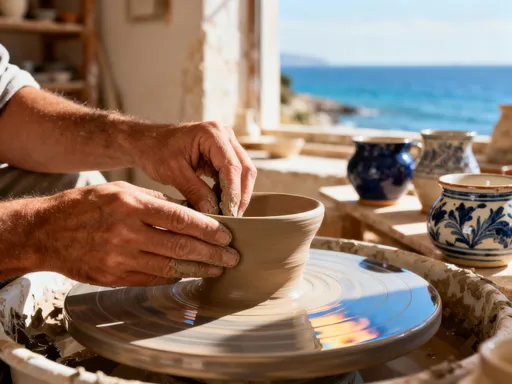
Scattered throughout the towns are small cultural markers that speak to the island’s identity. Tiny chapels, often painted white with blue domes, dot the hillsides. Some are centuries old, maintained by families who light candles on feast days. Maritime shrines, marked by crosses and offerings of flowers, honor sailors lost at sea. Artisan workshops hide in plain sight—potteries using local clay, weavers creating nets, jewelers setting stones from Milos’s ancient mines. These aren’t tourist performances; they’re quiet acts of preservation.
What makes Milos special is that beauty and function coexist. A flower-filled balcony isn’t just for show—it provides shade and privacy. A stone wall isn’t merely decorative—it holds back the hillside. Even the iconic white paint serves a purpose: it reflects heat and keeps homes cool in summer. Every element of the cityscape has a story, a reason for being. To walk through Milos is to witness a culture that values simplicity, resilience, and harmony with nature.
Best Spots to Watch the Light Transform the City
If Milos were a painting, light would be its most essential brushstroke. The way sunlight moves across the island throughout the day creates a constantly shifting masterpiece. Two moments stand out: sunrise and sunset. For sunrise, head to the eastern edge of Plaka, near the old cemetery path. From this vantage point, you’ll watch the first rays climb over the hills, slowly illuminating the rooftops one by one. The colors are soft—pale pinks, dusty oranges, and gentle lavenders—casting a serene mood over the town. The sea below is calm, often mirror-still, reflecting the awakening sky.
Sunset demands a different perspective. The most popular spot is the viewpoint near the windmills, where you can face west and watch the sun dip below the horizon. As it descends, the white buildings ignite in gold, their shadows stretching long across the alleys. The air fills with warmth, both literal and emotional. Locals and visitors gather here with cameras, wine, or simply silence, sharing the moment without words. For a quieter alternative, try the path leading to the old castle ruins. It’s less accessible, so fewer people make the climb, but the view is equally stunning.
Seasonal variations also affect the quality of light. In spring and fall, the sun sits lower in the sky, creating longer shadows and richer contrasts. Summer brings intense brightness, which can be harsh for photography but perfect for capturing the island’s clarity and crispness. Winter, though less crowded, offers moody skies and dramatic cloudscapes that add depth to the cityscape. No matter when you visit, the interplay of light and architecture ensures that Milos never looks the same twice.
What makes these moments powerful isn’t just their visual beauty—it’s their emotional resonance. Standing on a quiet path as the day begins or ends, you feel a sense of stillness, of connection. The island doesn’t rush. It breathes. And in that breath, there’s a reminder that the most profound experiences often come not from doing, but from being.
Planning Your Visit: Timing, Access, and Responsible Travel Tips
To experience Milos at its best, timing is key. The shoulder seasons—late April to early June and September to October—offer ideal conditions. Temperatures are mild, ranging from 68°F to 79°F (20°C to 26°C), the sea is warm enough for swimming, and crowds are manageable. July and August bring peak heat and higher visitor numbers, especially around Greek holidays. If you visit then, plan to explore in the early morning or late afternoon to avoid the midday sun.
Access to Milos is straightforward. The island has a small airport with seasonal flights from Athens, typically running from May to October. Most travelers arrive by ferry, with regular connections from Piraeus (Athens’ port), as well as from nearby islands like Santorini and Crete. The journey from Athens takes about 3 to 5 hours by high-speed ferry, depending on the route. Once on the island, public buses connect major towns, and car or scooter rentals are widely available for those who want more flexibility.
When choosing accommodations, consider staying in Plaka for panoramic views and easy access to restaurants and shops. Family-run guesthouses like those along the upper streets offer charming rooms with private balconies overlooking the sea. For a quieter experience, look to Pollonia in the north, a peaceful fishing village with waterfront tavernas and soft-sand beaches. Adamas, the main port, has more modern amenities and is convenient for ferry transfers.
As tourism grows, it’s important to travel responsibly. Milos’s charm lies in its authenticity, and preserving that requires mindful behavior. Carry a reusable water bottle—many cafes offer refills. Avoid single-use plastics, and dispose of waste properly. Support local businesses by eating at family-owned tavernas, buying from artisans, and choosing locally guided tours. When photographing, be respectful of private spaces and people. Remember, you’re a guest in a living community, not just a spectator.
Finally, embrace slowness. Let yourself get lost in the alleys. Sit on a bench and watch the world pass by. Share a meal with locals. These are the moments that linger long after the photos fade. Traveling with intention—not just to see, but to connect—ensures that your visit leaves a positive mark on both you and the island.
Milos doesn’t shout for attention—it whispers through sunlit alleys and sea-kissed facades. Its cityscape isn’t just pretty; it’s alive, shaped by centuries of wind, salt, and quiet resilience. In an age of overfiltered travel, Milos feels honest. It reminds us that the most stunning views aren’t just seen—they’re felt. And when your camera fills with gold and your heart with calm, you’ll know: this is what real beauty looks like.