You Won’t Believe What Guadalajara’s Food Scene Just Revealed
Guadalajara doesn’t just serve food—it tells stories on a plate. I went looking for tacos and found a whole new world of flavor, tradition, and culinary soul. From smoky street grills to elegant kitchens reinventing centuries-old recipes, this city surprised me at every bite. If you think you know Mexican food, think again. What I discovered wasn’t just delicious—it was transformative. This is more than a meal. It’s a deep dive into culture, one unforgettable dish at a time.
The Heartbeat of Jalisco: Why Guadalajara Eats Different
Guadalajara’s food identity is deeply rooted in the land, climate, and cultural rhythm of Jalisco. Unlike the fast-paced fusion trends seen in global cities, here, every dish reflects a profound respect for origin. The region’s volcanic soil nurtures blue corn, which is still stone-ground daily in many homes and small tortillerías. This heirloom grain, richer in antioxidants than its yellow counterpart, gives tortillas a subtly nutty depth that factory-processed versions simply can’t replicate. Local cooks emphasize *terroir*, not as a trendy term, but as a lived truth—what grows here belongs here, and it belongs on the plate.
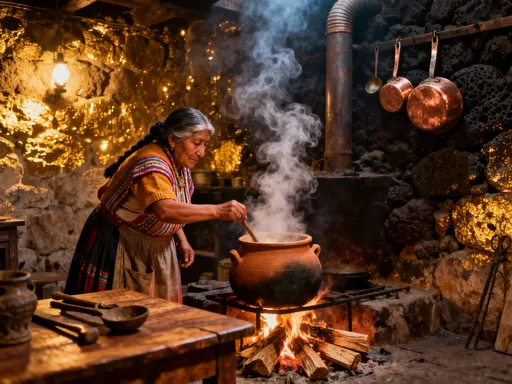
The city’s agricultural legacy shapes its pantry. *Rajas*, strips of roasted poblano peppers, are a staple in stews and tacos, their smoky sweetness balancing rich meats. *Chiles en nogada*, though more famously associated with Puebla, are celebrated in Guadalajara during the summer months, their vibrant red, white, and green mirroring the Mexican flag and symbolizing seasonal abundance. *Pollo criollo*, free-range heritage chickens raised in backyard coops, are prized for their firm texture and deep flavor, often slow-cooked in clay pots with garlic, oregano, and guajillo chiles until the meat falls effortlessly from the bone.
What sets Guadalajara apart is not just the ingredients, but the philosophy behind them. Food is not a commodity; it is a form of expression. The *Jalisciense* spirit values craftsmanship, patience, and pride in work well done. This ethos extends from the farmer harvesting agave for tequila to the abuela rolling tortillas by hand at dawn. Meals are not rushed. They are anticipated, prepared with care, and shared with intention. This cultural rhythm elevates dining from sustenance to ritual, where every element—from the corn to the clay cookware—carries meaning.
Even in modern restaurants, this reverence for tradition remains visible. Chefs speak of their ingredients with the respect of historians, naming the villages where their corn is grown and the families who have cultivated it for generations. This connection to place and people is what makes Guadalajara’s cuisine feel alive, not preserved behind glass but pulsing in real time. To eat here is to participate in a living tradition, one where every flavor tells a story of resilience, identity, and deep-rooted belonging.
From Street Stalls to Star Chefs: The Evolution of Taste
Guadalajara’s culinary evolution is a masterclass in balance—honoring the past while embracing innovation. Decades ago, the city’s food culture thrived in *loncheras*, mobile lunch trucks parked near factories and markets, serving hearty meals to working families. These humble kitchens were the original incubators of flavor, where cooks perfected recipes through repetition and necessity. A classic example is the *torta ahogada*, a crusty roll filled with shredded pork and drowned in a fiery tomato-chile broth. Born in working-class neighborhoods, it remains a beloved symbol of the city’s unpretentious spirit.
Today, that same spirit fuels a new generation of chefs who are redefining Mexican cuisine without erasing its roots. In upscale neighborhoods like Providencia and Americana, restaurants like Alcalde and Tex Mex División blend ancestral techniques with contemporary precision. These kitchens don’t reject tradition—they interrogate it. They ask: How can we elevate *mole* without losing its soul? Can we present *pozole* in a refined setting without making it feel alien? The answer lies in meticulous sourcing, seasonal menus, and a deep understanding of flavor layers that have been passed down orally for generations.
What makes this evolution remarkable is its inclusivity. Fine dining in Guadalajara doesn’t exist in isolation. Many acclaimed chefs began their careers in street food or home kitchens. They speak the language of the market, know the names of the *tamaleras* in Tlaquepaque, and still eat at *puestos* (street stalls) after service. This humility ensures that innovation never becomes elitist. A five-course tasting menu might include a reinterpretation of *sopa tarasca*, the bean-and-tomato soup traditionally served during Lent, but served with a delicate avocado foam and heirloom corn crisps—a tribute to the original, not a replacement.
The city’s culinary schools, such as the Instituto Latinoamericano de Gastronomía, play a crucial role in this evolution. They teach not only technique but also ethics—respect for ingredients, sustainability, and cultural preservation. Students learn to forage for native herbs, ferment their own salsas, and cook with clay comals over wood fires. This education bridges the gap between street vendor and sommelier, creating a food culture where expertise is valued but never arrogant. The result is a dining scene that feels both dynamic and grounded, where every bite carries the weight of history and the spark of possibility.
Inside the Taco Revolution: More Than Just a Bite
If there is a single dish that embodies Guadalajara’s culinary renaissance, it is the taco. But not just any taco—this is a world of specialization, where each variation has its own ritual, technique, and loyal following. The city’s taco culture is not about convenience; it is about devotion. From the early hours of dawn to the quiet moments before sunrise, *taqueros* stand over glowing grills, tending to meats that have been marinating or slow-cooking for hours. The scent of charcoal, cumin, and toasted corn fills the air, drawing crowds like a siren’s call.
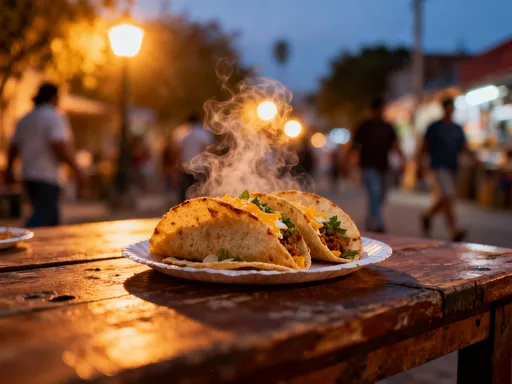
One of the most celebrated stars of this revolution is the *taco de birria*. Originating in nearby Tonalá, this dish features goat or beef stewed in a rich, complex broth of dried chiles, cloves, and bay leaves. The meat is so tender it collapses at the touch, and the consommé—served on the side—is sipped like broth or used to dip the taco, creating a flavor experience that is both deep and layered. In recent years, the *taco dorado de birria* has taken the city by storm: the tortilla is dipped in the broth, filled with meat, then crisped on the grill until golden. Served with a side of consommé for dipping and a squeeze of lime, it is a revelation—a taco that is crispy, juicy, spicy, and comforting all at once.
Equally revered are the *tacos de cabeza*, made from slow-cooked beef head, a cut that includes cheek, tongue, and eyes—each offering a different texture and richness. At *El Torito*, a legendary stand near Mercado Libertad, the taqueros work with surgical precision, carving slivers of meat to order and wrapping them in warm, handmade tortillas. The salsa bar nearby offers a rainbow of options: smoky *salsa macha*, bright green *salsa de tomate verde*, and a fiery *habanero en escabeche*. Each bite is customizable, personal, alive.
What elevates these tacos is not just the meat, but the tortilla. In Guadalajara, the best taqueros make their tortillas fresh, pressing masa by hand and cooking them on a hot *comal* moments before serving. The difference is palpable—the tortilla has elasticity, aroma, and a slight char that enhances the filling. Many visitors are surprised to learn that the tortilla is not a vessel but a co-star, its flavor and texture essential to the dish’s harmony. This attention to detail is what transforms a simple street snack into a culinary event, one that draws locals and visitors alike into long lines and shared tables, united by a love of good food.
Hidden Kitchens: Finding Authenticity Off the Beaten Path
Beyond the well-trodden tourist routes, Guadalajara reveals its most authentic flavors in unassuming places—family-run kitchens with no signage, market stalls known only by word of mouth, and backyard eateries where recipes are guarded like heirlooms. These hidden kitchens are not hiding on purpose; they simply don’t need to advertise. Their reputation is built on consistency, generosity, and the kind of flavor that can’t be faked. To find them, one must slow down, listen, and be willing to follow a whisper.
In the historic neighborhood of Analco, one such gem operates from a converted garage. The owner, Doña Rosa, has been serving *pozole rojo* for over forty years. Every Friday, she begins at 4 a.m., soaking hominy, roasting chiles, and simmering pork shoulder for hours until the broth turns deep red and fragrant. The pozole is served in large bowls, garnished with shredded cabbage, oregano, lime, and tostadas. There is no menu, no printed prices—just a chalkboard with the day’s offerings and a cash-only policy. Regulars greet her by name, and newcomers are welcomed with a smile and a sample spoon. This is not a performance; it is a way of life.
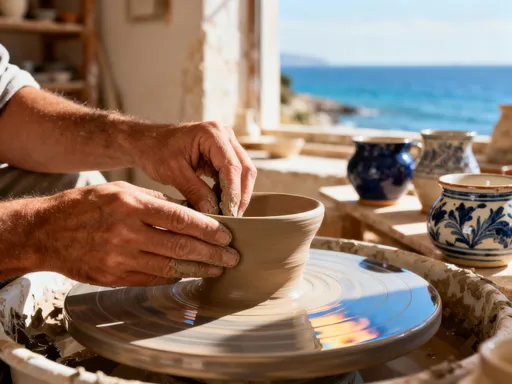
Another hidden treasure lies in Tlaquepaque, known for its artisan pottery but equally rich in culinary tradition. Behind a ceramic shop on Independencia Street, a small doorway leads to a courtyard where a family serves *carne en su jugo*, a beloved Jalisco dish of slow-cooked beef and bacon in its own juices, served with beans, avocado, and tortillas. The broth is light but deeply savory, the meat fork-tender. The family rotates cooking duties—grandmother prepares the beans, daughters chop the vegetables, and grandchildren deliver drinks. There are no reservations, no online presence—just a handful of tables and a sense of belonging that comes from being invited into someone’s world.
These kitchens thrive because they are not trying to be anything other than what they are. They do not cater to trends or influencers. They cook the food their ancestors cooked, using the same pots, the same rhythms, the same care. For the visitor, finding these places requires curiosity and humility. It means asking the market vendor where she eats, watching where the locals line up, and learning a few key phrases in Spanish. But the reward is immeasurable: a meal that feels like a gift, a connection that transcends language, and flavors that linger long after the last bite.
The Art of the Meal: How Dining Is a Ritual Here
In Guadalajara, eating is not an act of consumption—it is a cultural rhythm, a series of rituals that mark the day and strengthen bonds. Lunch, or *comida*, is the centerpiece of the daily routine, often lasting two hours or more. Families gather, coworkers break bread together, and even business meetings are conducted over plates of *enchiladas suizas* or *tinga de pollo*. This midday pause is not seen as a break from productivity but as an essential part of life. It is a time to reconnect, to savor, to breathe.
The concept of *antojitos*—small cravings or snacks—plays a vital role in this rhythm. These are not planned meals but spontaneous indulgences: a *quesadilla* from a street vendor, a *tamal* wrapped in banana leaf, a cup of *atole* on a cool morning. They appear when hunger strikes, often shared with whoever is nearby. This spontaneity reflects a joyful relationship with food, one that is not governed by strict schedules or portion control but by desire and availability.
Equally important is *merienda*, the afternoon snack that bridges lunch and dinner. In homes, it might be sweet pan dulce with hot chocolate; in cafes, it could be *churros* dipped in thick chocolate or a slice of *jericalla*, a creamy custard similar to flan. This tradition acknowledges that the body—and the spirit—needs nourishment more than twice a day. It is a gentle reminder to pause, to enjoy, to be present.
At the table, hospitality is paramount. Guests are offered the best seat, the first serving, and endless refills. Sharing is expected—plates are passed, bites are offered, and no one eats alone if company is present. *Salsa bars* are not just condiment stations; they are personalization zones, where each diner tailors the heat and flavor to their taste. This interactive element makes every meal unique, a collaboration between cook and eater. Table manners are relaxed but respectful: elbows off the table, hands folded when not eating, and always a thank you to the host. Being invited into a home kitchen is a profound gesture of trust and warmth, a sign that you are not just a visitor, but family.
Drinks That Define the Day: From Tejuino to Craft Mezcal
No meal in Guadalajara is complete without its liquid counterpart. Beverages here are not afterthoughts—they are essential chapters in the story of a meal. The day often begins with *tejuino*, a fermented corn drink made from blue corn masa, piloncillo (unrefined cane sugar), and lime. Served cold in plastic cups from street vendors, it has a tangy, slightly effervescent quality that awakens the palate. For many locals, it is a daily ritual, as essential as coffee is elsewhere.
Throughout the day, *aguas frescas* provide refreshment and balance. *Horchata de jamaica*, a vibrant pink hibiscus infusion sweetened with cinnamon, is a favorite, its floral tartness cutting through rich dishes. *Tamarindo*, made from tamarind pulp, offers a sweet-sour punch, while *sandía* (watermelon) agua fresca delivers pure, hydrating sweetness. These drinks are not mass-produced; they are made in large clay jars and stirred by hand, their colors and aromas as inviting as their taste.
In the evening, the focus shifts to more complex libations. Guadalajara, as the capital of Jalisco, is the heart of tequila country. But here, tequila is not just a party drink—it is a cultural symbol. Locals sip aged *añejo* tequila slowly, appreciating its oak and vanilla notes, often paired with dark chocolate or a slice of orange with sal de gusano (a spiced salt made with agave worms). Craft mezcal, though more associated with Oaxaca, has found a devoted following in the city’s modern bars, where mixologists blend it with native fruits and herbs to create cocktails that honor pre-Hispanic traditions.
One of the most unique experiences is visiting a *pulquería*, a bar dedicated to *pulque*, a viscous, slightly sour fermented sap from the maguey plant. Once a sacred drink of the Aztecs, it has seen a revival among younger generations seeking authentic, low-alcohol alternatives. Flavors like guava, pineapple, and oatmeal are swirled in, creating a creamy, tangy beverage that pairs beautifully with spicy tacos. These spaces are lively, often filled with art and music, turning ancient tradition into modern celebration. Whether it’s a glass of *tejuino* at sunrise or a smoky mezcal cocktail at midnight, Guadalajara’s drinks are not just consumed—they are experienced, each sip a connection to land, history, and community.
How to Eat Like a Local: Practical Wisdom for Visitors
For travelers, the key to unlocking Guadalajara’s food culture lies in mindset as much as in logistics. The first rule: slow down. This is not a city for quick bites or grab-and-go meals. Arrive hungry, but also arrive patient. The best experiences unfold over time—waiting in line for tacos, lingering over *merienda*, accepting a second serving of *pozole* from a generous host. Rushing is not just inefficient; it is out of sync with the city’s rhythm.
Timing matters. Many family-run kitchens and street stalls open early and close by mid-afternoon. Breakfast, served from 7 to 10 a.m., is a serious affair—*chilaquiles*, *huevos rancheros*, or *molotes* (deep-fried masa pockets) with coffee or *atole*. Lunch, from 1 to 3 p.m., is the main event. Dinner, often called *cena*, starts late, around 8 or 9 p.m., and may consist of lighter fare like *tacos* or *sopes*. Plan accordingly, and don’t expect every restaurant to be open at typical tourist hours.
Cash is still king in many places, especially at markets and small eateries. While larger restaurants accept cards, it’s wise to carry small bills for *puestos* and tips. Menus, when available, may be handwritten or displayed on a chalkboard. Don’t hesitate to ask for recommendations—most vendors are proud to explain their specialties. Learning a few phrases like *¿Qué me recomienda?* (What do you recommend?) or *¿Es picante?* (Is it spicy?) goes a long way.
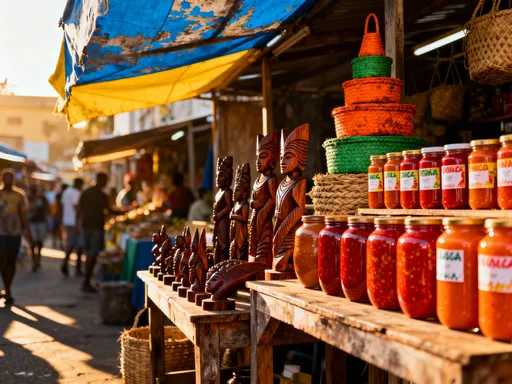
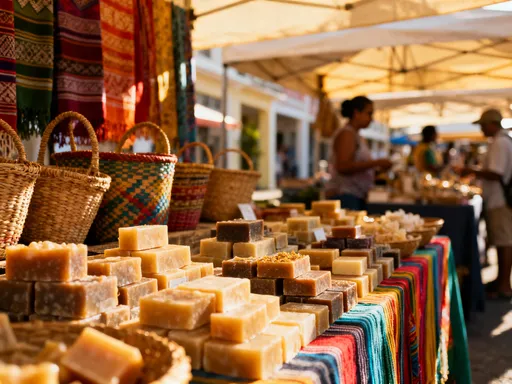
To truly immerse yourself, combine food with culture. Take a guided tour of Mercado Libertad, the city’s largest market, where you can sample cheeses, spices, and fresh fruit while learning about regional ingredients. Visit Tonalá for its Sunday artisan market, where you can buy hand-painted pottery and enjoy *tamales* from a nearby stall. Attend a *tianguis*, a weekly neighborhood market, where local farmers sell produce and home cooks sell prepared foods. These experiences offer not just food, but context—seeing where ingredients come from, how they are used, and who prepares them.
Above all, approach Guadalajara’s food scene with respect and curiosity. Avoid tourist traps that serve generic “Mexican” food with no regional identity. Instead, follow the locals—where they line up, where they laugh, where they return week after week. Eat with your hands when appropriate, savor each bite, and don’t be afraid to try something unfamiliar. The city rewards those who come not just to eat, but to connect. By embracing its rhythms, traditions, and flavors, you don’t just visit Guadalajara—you become part of its story.
Specialty dining in Guadalajara isn’t just about finding great food—it’s about connecting with a living culture. Every bite carries history, pride, and a quiet invitation to belong, even if just for a meal. By slowing down, listening, and truly tasting, travelers don’t just eat well—they understand more deeply. This city doesn’t feed your stomach first. It feeds your soul. And once you’ve tasted that, nothing else quite satisfies.