Hiking Trails That Lead to Mind-Blowing Architecture on Kangaroo Island
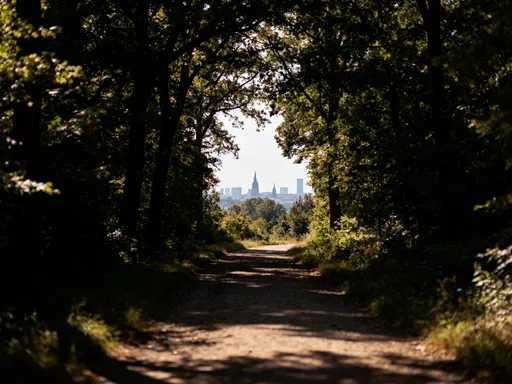
You know that feeling when you're deep in nature, boots covered in dust, and suddenly—bam—you stumble upon something so unexpected it stops you cold? That’s exactly what happened when I hiked across Kangaroo Island. Beyond the wild coastlines and eucalyptus forests, I discovered structures that felt both ancient and futuristic. These aren’t just buildings—they’re art fused with landscape. Let me take you where trails meet genius design.
Why Kangaroo Island Is More Than Just Wildlife
Kangaroo Island, often celebrated for its unspoiled wilderness and abundant wildlife—from sea lions basking on rocky shores to koalas curled in gum trees—holds a quieter, equally compelling secret. While many visitors come for the natural spectacles, a growing number are discovering that the island offers more than scenic vistas and animal encounters. Scattered across its remote trails are architectural wonders, thoughtfully embedded into the terrain, that transform a simple hike into a journey of aesthetic and emotional depth. These structures do not dominate the landscape; instead, they emerge from it, inviting hikers to pause, reflect, and appreciate the harmony between human creativity and ecological sensitivity.
What makes these architectural moments so powerful is their context. Unlike urban landmarks designed to impress, the buildings and installations on Kangaroo Island are built to belong. They are accessible only by foot or quiet vehicle, often requiring a commitment of time and effort to reach. This intentional inaccessibility enhances their impact. When you arrive at a sculptural shelter perched above a cliff or a weathered lighthouse standing sentinel over crashing waves, the journey itself becomes part of the experience. The physical act of hiking—feeling the wind, hearing the birds, navigating uneven paths—deepens your connection to the place and the structure waiting at the end.
The island’s dual identity as a conservation sanctuary and a canvas for design innovation is no accident. After the devastating bushfires of 2020, there was a renewed commitment to rebuilding with purpose. Architects, ecologists, and community leaders collaborated to ensure that new developments respected the land’s fragility while contributing to its resilience. This balance is evident in every structure, from modest trailside shelters to reimagined visitor centers. Kangaroo Island proves that preservation and creativity are not opposites—they can be partners in shaping a more thoughtful kind of tourism.
The Art of Hidden Design: Where Nature Meets Architecture
The architecture of Kangaroo Island doesn’t shout; it whispers. It is rooted in a philosophy that values subtlety, sustainability, and deep respect for the natural world. Architects working on the island often begin not with blueprints, but with long walks through the terrain, listening to the land, studying wind patterns, observing how light shifts across rock formations, and understanding the cultural history of the area. The result is design that feels inevitable, as if the structures were always meant to be there, quietly fulfilling their role without demanding attention.
One of the guiding principles is minimal environmental impact. Buildings are designed with low profiles, using materials sourced locally—such as weathered steel, reclaimed timber, and stone quarried from nearby sites. Roofs are often green or angled to blend with the contours of the hills. Windows are strategically placed to frame specific views, turning the landscape into a living piece of art inside the structure. These choices reflect a commitment to passive design, reducing energy needs while enhancing comfort. The goal is not to conquer the environment but to coexist with it, creating spaces that serve people without compromising the ecosystem.
Inspiration also flows from the island’s cultural layers. The traditional custodians of Kangaroo Island, the Kaurna and Ngarrindjeri peoples, have lived in harmony with this land for thousands of years. Their understanding of place—rooted in storytelling, seasonal knowledge, and spiritual connection—influences contemporary design. Some structures incorporate patterns or forms derived from Aboriginal art, not as decoration, but as a way of honoring deep-time wisdom. Similarly, the island’s maritime history—its shipwrecks, lighthouses, and fishing outposts—lends a rugged, functional aesthetic to many buildings. The fusion of these influences creates architecture that feels both timeless and modern, grounded in place and purpose.
Flinders Chase Hike: A Walk Through Sculptural Landscapes
One of the most profound ways to experience the intersection of nature and design on Kangaroo Island is through the trail system in Flinders Chase National Park. This expansive reserve, located at the island’s western tip, is renowned for its dramatic geology—Remarkable Rocks, Admirals Arch, and pounding ocean cliffs—but it also hosts some of the most innovative architectural interventions in the region. As you walk the well-maintained paths, you’ll encounter structures that are as much part of the attraction as the natural features they accompany.
The visitor center at Flinders Chase, rebuilt after the 2020 fires, exemplifies this integration. Constructed with charred timber and corrugated steel that echo the surrounding regrowth, the building appears to rise organically from the earth. Its angular form follows the slope of the land, and large glass panels offer panoramic views of the heathland without obstructing the vista. Inside, interpretive displays are designed with tactile elements and natural materials, allowing visitors to engage with the island’s ecology through multiple senses. The center doesn’t just provide information—it creates an atmosphere of reverence for the landscape.
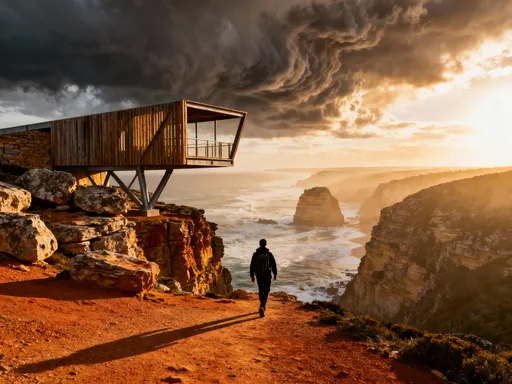
Equally striking are the viewing platforms scattered along the trails. At Admirals Arch, a cantilevered steel and timber platform extends over the cliff edge, allowing safe observation of fur seals below while minimizing human impact on the fragile rock formations. The structure’s dark finish absorbs light, reducing visual intrusion, and its open railings ensure unobstructed sightlines. Nearby, smaller shelters along the Kelly Hill Circuit offer hikers a place to rest, their curved roofs mimicking the shape of the surrounding limestone caves. These are not mere functional additions—they are sculptural elements that enhance the emotional resonance of the hike.
Coastal Trails and the Legacy of Seafaring Structures
Along Kangaroo Island’s southern coast, where the Southern Ocean meets jagged cliffs, a different kind of architecture tells the story of human perseverance. The Cape Borda Lighthouse, built in 1858, stands as one of the most isolated lighthouses in Australia. Reached via a rugged trail that winds through coastal scrub and rocky outcrops, it is a powerful symbol of 19th-century maritime engineering. The whitewashed stone tower, surrounded by the original keeper’s cottages, rises from a windswept plateau, its beam still guiding ships through treacherous waters.
What makes this site architecturally significant is not just its historical value, but how it has been preserved and reinterpreted for modern visitors. The cottages have been restored with sensitivity, using traditional materials and methods, and now serve as accommodations that allow guests to experience the solitude and beauty of this remote location. Interpretive signage, designed with minimalist metal frames and weather-resistant text panels, provides historical context without cluttering the landscape. The trail leading to the lighthouse includes a series of low stone steps and handrails made from recycled timber, ensuring accessibility while maintaining the site’s rugged character.
Nearby, the trail to Remarkable Rocks offers another layer of architectural dialogue. Here, the natural sculptures—granite boulders balanced like giant marbles—are complemented by a new generation of human-made forms. A recently installed boardwalk, elevated slightly above the sensitive vegetation, guides visitors along a safe path while protecting the fragile ecosystem. The boardwalk’s dark composite material blends with the shadowed crevices of the rocks, and its gentle curves mirror the organic shapes around it. At key viewpoints, simple steel benches invite contemplation, their design echoing the lean, functional aesthetic of maritime tools. This seamless integration of history, nature, and design makes the coastal trails some of the most emotionally rich walks on the island.
Off-the-Beaten-Path Encounters: Art Installations in the Wild
While the major trails draw many visitors, some of the most moving architectural experiences on Kangaroo Island are found in solitude, along lesser-known paths that wind through secluded valleys and hidden coves. These remote routes are home to small-scale, site-specific installations created by Australian artists and architects who sought to deepen the hiker’s connection to place. These are not monuments or grand statements, but quiet invitations to pause, listen, and reflect.
One such piece is the Whispering Shelter, nestled in a eucalyptus grove near Hog Bay. Designed by a Adelaide-based architecture collective, this open-sided structure is made from locally sourced timber and curved steel ribs that echo the shape of a whale’s ribcage. Inside, the acoustics are carefully tuned so that wind passing through the gaps creates soft, haunting tones—like distant voices carried on the breeze. Hikers often sit in silence, letting the sound wash over them, feeling a sense of both awe and intimacy. The shelter serves no practical purpose beyond offering a seat, yet its emotional impact is profound.
Another example is the Sun Compass, a ground-level installation along the Kelly Hill Coastal Trail. Made from inlaid stone and bronze, it functions as both a navigational aid and a meditative focal point. At certain times of day, sunlight aligns with engraved markers, indicating direction and season. It invites hikers to slow down, observe the passage of time, and consider their place within larger natural cycles. These installations are not advertised or mapped in detail; discovering them feels like a gift, a secret shared between the land and the traveler.
What unites these works is their intentionality. They are not placed for spectacle, but for connection. They encourage mindfulness, inviting hikers to engage with the landscape on a deeper level. In a world where travel often means checking off destinations, these quiet interventions remind us that the most meaningful experiences come not from seeing more, but from seeing differently.
Sustainable Design in Action: How Buildings Give Back to the Land
On Kangaroo Island, sustainability is not a buzzword—it is a necessity. The island’s fragile ecosystems, limited resources, and exposure to extreme weather demand a thoughtful approach to construction. The buildings that have been designed and rebuilt in recent years reflect a commitment to regenerative architecture: structures that do not just minimize harm, but actively contribute to the health of the environment.
Take, for example, the eco-lodges near Kelly Hill. These small, off-grid accommodations are powered by solar panels and equipped with rainwater harvesting systems that collect and filter water for drinking and washing. Their walls are insulated with recycled newspaper and sheep’s wool, materials that provide excellent thermal performance while supporting local industries. Greywater is treated on-site and used to nourish native gardens, closing the loop between human use and natural renewal. The design is compact and efficient, ensuring that each lodge has a minimal footprint while offering comfort and warmth.
Even larger community buildings, such as the rebuilt visitor hub at Western River, were constructed with resilience in mind. Built on elevated foundations to protect against flooding, the structure uses cross-ventilation and thermal mass to maintain comfortable indoor temperatures without air conditioning. The roof is planted with native succulents, which insulate the building, absorb rainwater, and provide habitat for insects and birds. These features are not hidden—they are celebrated, with educational panels explaining how each element supports sustainability.
What’s remarkable is how these eco-features enhance, rather than detract from, the aesthetic experience. The use of natural materials creates warmth and texture. The play of light through recycled glass windows feels alive. The sound of rain on a green roof is soothing, not disruptive. Sustainable design, when done well, doesn’t feel like sacrifice—it feels like belonging. On Kangaroo Island, this philosophy is not limited to new construction; it informs every decision, from trail maintenance to waste management, creating a model for responsible tourism that other regions can learn from.
Planning Your Hike: Trails That Combine Scenery, Culture, and Design
For those planning a visit, the good news is that experiencing Kangaroo Island’s architectural treasures doesn’t require expert navigation or extreme fitness. A range of well-marked trails, from short walks to multi-day hikes, allows travelers to engage with the landscape at their own pace. The key is intentionality—choosing routes that offer not just scenic beauty, but moments of human creativity woven into the journey.
One recommended itinerary is the three-day Flinders Chase Loop, which begins at the visitor center and includes stops at Admirals Arch, Remarkable Rocks, and the Cape du Couedic Lighthouse. This route combines dramatic coastal views with access to historic and contemporary structures, offering a comprehensive experience of the island’s architectural layers. For a quieter adventure, the Hog Bay to Stokes Bay trail features secluded beaches, native forests, and the chance to discover hidden art installations like the Whispering Shelter. Both routes are well-maintained, with clear signage and designated rest areas.
The best time to visit is during the shoulder seasons—autumn (March to May) and spring (September to November)—when temperatures are mild, wildlife is active, and the light is soft and golden. Summer can be hot and crowded, while winter, though dramatic, may bring strong winds and wet conditions. Regardless of season, hikers should come prepared: sturdy footwear, layered clothing, plenty of water, and a detailed map are essential. While mobile reception is limited in remote areas, offline GPS apps and trail guides are widely available.
For those who want deeper insight, guided walks led by local architects, conservationists, or Indigenous educators offer a richer understanding of the island’s design philosophy. These tours often include behind-the-scenes access to restoration projects or conversations with the designers themselves. Alternatively, self-guided itineraries with audio commentary—available through the Kangaroo Island Tourism app—allow travelers to explore at their own pace while learning about the stories behind the structures they encounter.
The most important piece of advice? Slow down. Let the journey unfold. These trails are not about distance covered, but moments noticed. A shadow falling across a stone wall, the way a beam of light enters a meditation space, the sound of wind through a sculptural installation—these are the details that stay with you. When you hike with awareness, every step becomes a conversation between nature and human ingenuity.
Kangaroo Island stands as a quiet testament to what is possible when we listen to the land. It is a place where architecture does not compete with nature, but completes it. The trails that wind across its surface lead not just to scenic overlooks, but to moments of awe, reflection, and connection. These structures—born of fire, shaped by wind, inspired by culture—remind us that the most powerful designs are not those that stand out, but those that belong. For the thoughtful traveler, the island offers a rare gift: the chance to walk through a living dialogue between earth and imagination, where every turn reveals not just beauty, but meaning.