You Won't Believe These Hidden Shopping Spots in Chiang Rai
Chiang Rai isn’t just about temples and mountain views—its shopping scene is quietly amazing. I went looking for souvenirs and ended up discovering local markets, artisan pop-ups, and craft studios tucked away from the tourist trail. Each spot felt authentic, personal, and full of character. If you're craving real connections and one-of-a-kind finds, this side of Chiang Rai will blow you away. Let me take you through the under-the-radar shopping gems most travelers miss.
Beyond the Tourist Trail: The Real Shopping Soul of Chiang Rai
Unlike the bustling, souvenir-heavy markets of Bangkok or Phuket, Chiang Rai offers a refreshingly grounded shopping experience rooted in tradition, craftsmanship, and community. Here, shopping isn’t about ticking off a checklist of trinkets—it’s about connection. The city’s retail culture thrives on small-scale production, where artisans pour generations of knowledge into every woven scarf, hand-thrown pot, and carved wooden box. What sets Chiang Rai apart is the absence of mass-produced imports. Instead, you’ll find items made locally, often by the very person selling them.
This authenticity stems from the deep cultural pride of the northern Thai people, particularly the Lanna heritage that shapes daily life in the region. Local markets are not staged for tourists; they are living spaces where residents shop for food, clothing, and household goods. As a visitor, stepping into these spaces means stepping into the rhythm of everyday life. You're not just browsing—you're witnessing a way of life preserved through craft and commerce. This is not shopping as consumption, but as cultural exchange.
What makes this especially meaningful for travelers, particularly women between 30 and 55 who value mindful experiences, is the emotional resonance of these purchases. Buying a handwoven textile isn't just acquiring a scarf—it's honoring the weaver’s time, skill, and story. These are objects with soul, made to last, not to clutter a drawer. In a world of fast fashion and disposable goods, Chiang Rai’s shopping culture offers a quiet rebellion: slower, more intentional, and deeply human.
Warorot Market: A Sensory Gateway to Local Life
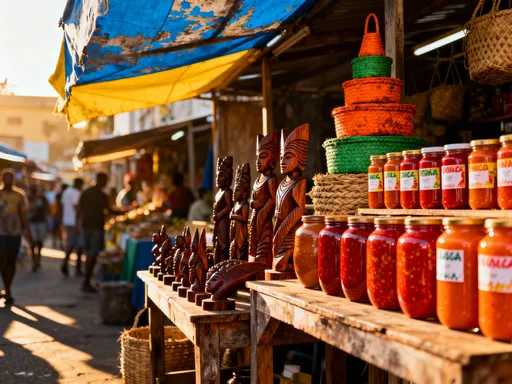
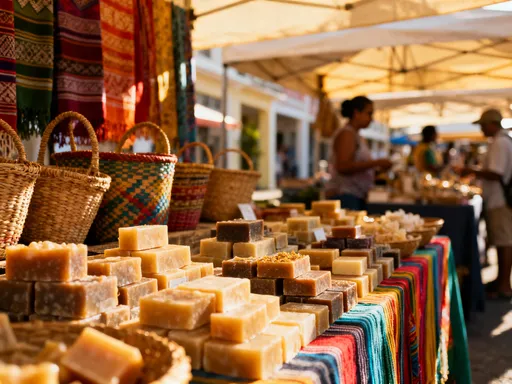
At the heart of Chiang Rai’s daily commerce lies Warorot Market, a vibrant, multi-sensory hub that has served locals for generations. Tucked just off the main square near the river, this bustling marketplace is where the city wakes up each morning. The air hums with the scent of fresh herbs, grilled meats, and ripe tropical fruit. Rows of colorful produce—dragon fruit, rambutan, and knobby galangal—sit beside pyramids of chilies and fragrant bunches of lemongrass. But beyond food, Warorot is a treasure trove for authentic handicrafts.
Wander through the covered alleys and you’ll find stalls selling hand-stitched textiles, traditional hill tribe clothing, and handmade silver jewelry. The textiles, often dyed with natural pigments and woven on wooden looms, reflect the identity of various ethnic communities in northern Thailand, including the Akha, Lahu, and Shan. These are not costumes made for show—they are cultural garments worn with pride, now shared with respectful visitors. Vendors here are typically warm and patient, happy to explain the significance of patterns or the process behind a particular dye technique.
For the mindful shopper, Warorot offers more than souvenirs—it offers immersion. The best time to visit is early morning, between 7:00 and 9:00 a.m., when the market is at its liveliest and the heat hasn’t yet settled. Bring small bills, as change can be hard to come by, and don’t rush. Take time to sip a fresh coconut or sample a steaming bowl of khao soi, the region’s beloved coconut curry noodle soup, from one of the food stalls lining the perimeter. Remember, this is a working market first—be respectful, ask before taking photos, and smile. A little kindness goes a long way.
Charm Chiang Rai: Where Modern Design Meets Tradition
For travelers who appreciate both style and substance, Charm Chiang Rai is a must-visit destination that redefines what a shopping experience can be. Located just a short drive from the city center, this thoughtfully designed lifestyle complex blends minimalist architecture with warm, natural materials, creating a serene environment that feels more like a cultural retreat than a mall. But don’t let its modern aesthetic fool you—Charm is deeply rooted in local identity, serving as a platform for northern Thai artisans to showcase their work to a wider audience.
The boutiques here feature curated collections of home decor, fashion, and accessories, all made with traditional techniques but presented with a contemporary twist. You’ll find organic cotton scarves printed with Lanna motifs, ceramic tableware shaped by local potters, and bamboo lamps crafted using age-old weaving methods. What makes Charm stand out is its emphasis on sustainability and ethical production. Many of the brands represented work directly with village cooperatives, ensuring fair wages and preserving cultural heritage.
Equally inviting are the on-site cafés and garden spaces, where you can pause with a cup of single-origin Chiang Rai coffee or a turmeric latte while browsing handmade notebooks or artisanal soaps. It’s a place that invites lingering, reflection, and connection. For families or couples traveling together, Charm offers a comfortable, shaded environment where everyone can find something meaningful. Whether you’re drawn to a hand-embroidered blouse or a set of hand-carved chopsticks, each purchase feels intentional—less about acquisition, more about appreciation.
Saturday Night Market: Culture, Craft, and Street Food Vibes
As the sun sets over the Mae Kok River, the riverside walk transforms into the lively Saturday Night Market, a weekly celebration of local artistry, flavor, and community spirit. Open from late afternoon until around 10 p.m., this market draws both residents and visitors into its glowing embrace. Strings of lanterns illuminate rows of wooden stalls, where handmade goods take center stage. Unlike generic tourist markets, this event is curated to highlight the region’s creative talent, making it one of the most authentic evening experiences in Chiang Rai.
Here, you’ll discover jewelry made from recycled silver, hand-dyed silk scarves, and intricately beaded bags crafted by local women’s groups. Clothing stalls feature modern interpretations of traditional dress—light cotton tunics with embroidered collars, wrap skirts with geometric patterns inspired by hill tribe textiles. Children’s clothing, too, reflects this blend of heritage and comfort, with soft fabrics and playful designs that appeal to parents seeking quality and charm.
But the market is about more than shopping. Live music from local bands—often playing traditional Lanna instruments with a modern twist—adds to the festive atmosphere. Food stalls offer some of the city’s best street eats: grilled pork skewers, sticky rice in bamboo, and mango sticky rice served fresh. For those eager to engage, some vendors offer mini-workshops—try your hand at folding a flower from banana leaves or stringing a simple bracelet to take home. The Saturday Night Market isn’t just a place to spend money; it’s a place to spend time meaningfully.
Hidden Craft Studios: Meet the Makers Behind the Products
One of the most rewarding ways to experience Chiang Rai’s creative culture is by stepping into the quiet workshops where artisans practice their crafts with dedication and grace. Scattered on the outskirts of the city and in nearby villages, these studios are often family-run operations passed down through generations. Visiting them offers a rare glimpse into the hands-on process behind the items you see in markets—a reminder that every product has a maker, a story, and a purpose.
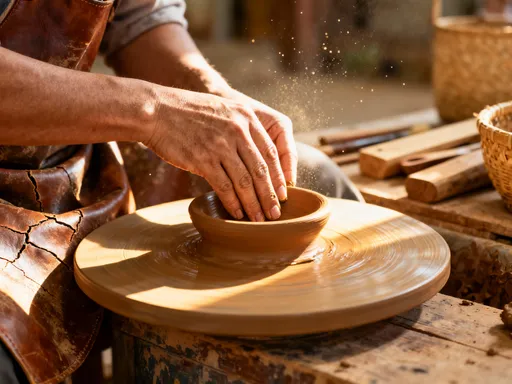
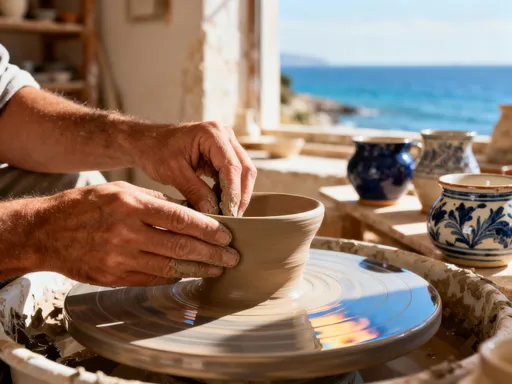
Pottery lovers should seek out the small ceramic studios near Ban Thawai, where potters shape clay on foot-powered wheels, using techniques unchanged for decades. The earthy tones and organic forms reflect the natural surroundings, and many pieces are fired in traditional wood-burning kilns. Visitors are often welcome to watch—and in some cases, try their hand at shaping a simple bowl under guidance. These studios typically sell directly to the public, so you can take home a piece that’s both beautiful and meaningful.
Textile studios offer equally enriching experiences. In weaving villages like Ban Pa Pao, women work at wooden looms, creating intricate patterns that tell stories of their ancestors. Natural dyes made from indigo, turmeric, and jackfruit lend rich, lasting colors to cotton and silk. Some studios offer short weaving demonstrations or half-day workshops, perfect for travelers with a few hours to spare. These visits not only deepen appreciation for the craft but also provide direct support to the artisans and their families.
Woodcarving studios, though fewer in number, showcase another facet of northern Thai artistry. Delicate carvings of lotus flowers, mythical creatures, and temple motifs adorn everything from picture frames to furniture. These pieces are not mass-produced; each requires days or even weeks of meticulous work. By visiting these spaces and purchasing directly, travelers contribute to the preservation of skills that might otherwise fade in the face of industrialization.
Practical Tips for a Meaningful Shopping Experience
To make the most of your shopping journey in Chiang Rai, a few practical considerations can enhance both your experience and your impact. First, prioritize authenticity. Look for items that show signs of handmade craftsmanship—slight variations in stitching, natural irregularities in dye, or unique imperfections in pottery. These are not flaws; they are marks of human touch. Avoid anything that looks too uniform or plasticky, as it’s likely imported from elsewhere.
Pricing is generally fair, especially in community-based markets and studios. While bargaining is common in some Thai markets, it’s less expected in places like Charm Chiang Rai or artisan workshops, where prices reflect the true cost of materials and labor. In more casual markets like Warorot, a polite negotiation is acceptable, but always with respect. A smile and a simple 'Is this the best price?' go further than aggressive haggling. Remember, many vendors are supporting their families with these sales.
Transportation between shopping destinations is manageable by songthaew (shared taxi), motorbike taxi, or rented car. Warorot Market and the Saturday Night Market are within walking distance of most city-center hotels. Charm Chiang Rai and the craft studios may require a short ride, so plan accordingly. If you’re short on time, consider focusing on one market and one studio visit to go deeper rather than rushing through many.
For those traveling with children or older relatives, look for venues with seating, shade, and refreshments. Charm Chiang Rai and the Saturday Night Market are particularly family-friendly. Bring a reusable bag for your purchases—many vendors appreciate the eco-conscious gesture. And don’t forget to carry cash; while some larger boutiques accept cards, most small vendors and studios operate on a cash-only basis.
Why These Experiences Matter: Shopping as Cultural Connection
In a world where online shopping delivers convenience but often lacks soul, Chiang Rai reminds us of the deeper value of buying with intention. Here, shopping is not a transaction—it’s a bridge. Each purchase connects you to a person, a place, and a tradition. When you carry home a handwoven scarf or a hand-thrown mug, you’re not just bringing back a souvenir; you’re carrying a story, a memory, a piece of human effort.
For women who value meaningful experiences—whether raising families, building homes, or seeking personal fulfillment—these moments of connection are deeply enriching. They align with a desire to live with purpose, to support others, and to surround oneself with beauty that has depth. In choosing to shop mindfully in Chiang Rai, you become part of a larger story: one of cultural preservation, economic dignity, and shared humanity.
Travel has the power to transform, not just the traveler, but the places we visit. By choosing to explore Chiang Rai’s hidden shopping spots, you contribute to sustainable tourism that uplifts communities and honors tradition. You vote with your wallet for a world where craftsmanship is valued, where stories are told through fabric and clay, and where every purchase can be an act of kindness. So the next time you plan a trip, look beyond the guidebook. Seek out the quiet studios, the early-morning markets, the riverside stalls aglow at dusk. Let your shopping journey be one of discovery—not just of beautiful things, but of the people who make them possible.