You Won’t Believe What I Found Shopping in Bridgetown
Stepping into Bridgetown feels like entering a vibrant sensory carnival—colorful markets, rhythmic steelpan tunes, and the scent of spice-laden air. As a traveler who’d heard little about Barbados’ shopping scene, I was stunned by what unfolded. This isn’t just about souvenirs; it’s a cultural dive through bustling streets and hidden lanes where every purchase tells a story. From hand-carved soaps to one-of-a-kind textiles, Bridgetown’s shopping experience is authentic, lively, and full of surprises. It’s not the kind of retail therapy found in air-conditioned malls, but something far more meaningful: a connection to place, people, and tradition. What I discovered wasn’t just what to buy—but why it matters.
First Impressions: The Pulse of Bridgetown’s Streets
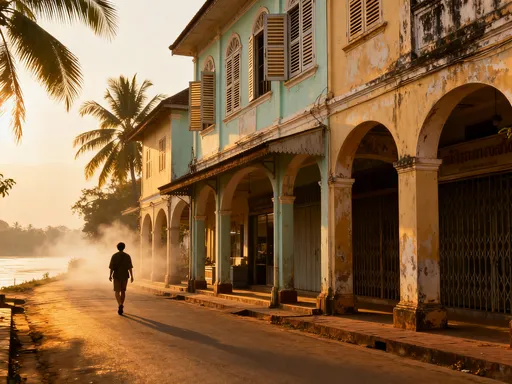
From the moment you step off the ferry or round the corner from the cruise terminal, Bridgetown greets you with a rhythm all its own. The city hums with a steady pulse—vendors arranging pyramids of tropical fruit, schoolchildren in crisp uniforms weaving through the morning crowd, and the distant clink of glass bottles at a roadside drink stall. This is not a tourist stage set; it’s real life in full color and motion. The streets, laid out in a colonial grid but now pulsing with Caribbean vitality, create a shopping environment that feels both orderly and spontaneous. Red-tiled roofs and pastel-colored storefronts frame the scene, while the scent of grilled fish, nutmeg, and frangipani drifts through the warm breeze.
What sets Bridgetown apart from other Caribbean capitals is how seamlessly commerce and community intertwine. Here, shopping isn’t confined to sterile shopping centers or duty-free zones designed solely for visitors. Instead, it spills into the open air, onto sidewalks, and into the daily routines of locals. Whether you’re browsing a roadside stand for fresh coconuts or pausing at a shaded stall to examine hand-stitched hats, you’re not just a customer—you’re a participant. The city’s energy invites you to slow down, observe, and engage. There’s no pressure to buy, but the authenticity of what’s on offer makes purchasing feel like a natural extension of the experience.
The architecture adds another layer to the sensory richness. Georgian-style buildings with wrought-iron balconies stand beside brightly painted kiosks selling mango chutney and sea moss drinks. This blend of historical elegance and modern vibrancy reflects Barbados’ unique identity—a nation that honors its past while embracing the present. Walking through Bridgetown, you’re not just shopping; you’re tracing centuries of trade, culture, and resilience. Every market stall, every open-air vendor, carries echoes of the island’s colonial economy transformed into a thriving local enterprise. For the mindful traveler, this context deepens the value of each interaction and every item considered.
Cheapside Market: The Heartbeat of Local Commerce
At the center of Bridgetown’s shopping soul lies Cheapside Market, a bustling hub that has served the city since the early 19th century. Located just off Roebuck Street, this open-air marketplace is where locals come to buy fresh produce, spices, herbs, and handmade goods. It’s not polished or Instagram-perfect—and that’s exactly what makes it special. The market operates with a rhythm passed down through generations, where bargaining is polite, greetings are warm, and quality is judged by touch, smell, and conversation. To walk through Cheapside is to witness the everyday economy of Barbados in action.
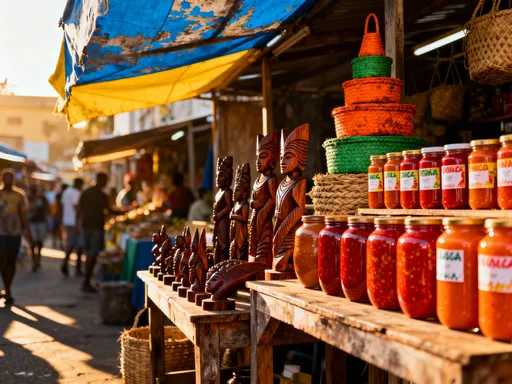
The market unfolds in sections, each dedicated to a particular type of product. One aisle overflows with mounds of golden yams, purple dasheen, and green breadfruit—staples of Bajan cooking. Nearby, baskets of callaloo, cucumbers, and Scotch bonnet peppers add splashes of color and heat. Vendors sit behind their displays, often fanning themselves with straw hats, ready to explain how to prepare a particular root vegetable or recommend the best fruit for making sorrel drink. These interactions are not transactions; they’re exchanges of knowledge, hospitality, and pride in local agriculture.
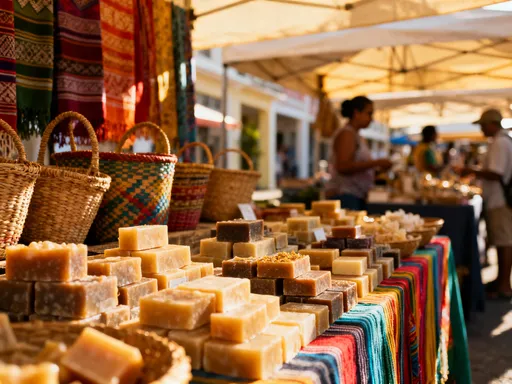
But Cheapside is more than just a food market. Along its edges, artisans sell handcrafted items that reflect the island’s creative spirit. Look closely and you’ll find woven sisal baskets dyed with natural pigments, coconut shell bowls polished to a warm sheen, and bars of soap infused with tropical botanicals like lemongrass and sea lavender. One vendor, Mrs. Linda, has been selling her herbal bush teas for over thirty years. Her stall is small, but her reputation is wide. “People come back year after year,” she says with a smile. “They say my ginger-lemon tea keeps them healthy through the winter.” These personal connections are what make shopping here so rewarding.
For visitors, navigating Cheapside requires a bit of cultural sensitivity. Cash is preferred, and small bills are ideal. While bargaining is acceptable, it should be done respectfully—never aggressively. A simple “Is this your best price?” offered with a smile usually opens a friendly dialogue. And always remember to greet the vendor before asking about price; a “Good morning” or “How are you today?” goes a long way. These small courtesies are part of the unspoken etiquette that makes shopping in Bridgetown feel personal rather than transactional.
Broad Street: Where Heritage Meets Retail
If Cheapside represents the grassroots of Bridgetown’s commerce, Broad Street embodies its curated elegance. Running parallel to the Careenage, this historic thoroughfare is lined with restored Georgian buildings that now house boutiques, galleries, and craft shops. Unlike the bustling chaos of the market, Broad Street offers a more relaxed pace—perfect for those who want to explore Bajan artistry in a setting that blends heritage and modernity. The architecture itself tells a story: these buildings once housed merchants and colonial administrators, but today they serve as platforms for local designers, jewelers, and entrepreneurs.
Walking down Broad Street, you’ll find stores that specialize in handmade goods with a distinctly Caribbean flair. One boutique features jewelry crafted from recycled sea glass and coral-inspired silver designs. Another showcases textiles printed with patterns based on traditional Bajan motifs—geometric waves, hibiscus blooms, and sugarcane stalks. These aren’t mass-produced souvenirs; they’re limited-run pieces made by artists who live and work on the island. Many shops include information cards detailing the maker’s name, hometown, and inspiration—adding depth and transparency to every purchase.
Fashion also takes center stage here. Local designers create lightweight linen dresses, batik-print tunics, and straw handbags that are as practical as they are stylish. One boutique owner, Ms. Elaine, explains that her clothing line is made entirely in Barbados using sustainable fabrics. “I want women to feel beautiful and comfortable,” she says, “but also to know that their purchase supports real people.” This ethos—of beauty with purpose—is common among Broad Street retailers. It’s not just about selling a product; it’s about sharing a culture.
What makes Broad Street particularly appealing to the 30-55 age group is its balance of sophistication and accessibility. The prices are reasonable for handmade goods, and the staff are knowledgeable without being pushy. Many shops offer gift wrapping and shipping services, making it easy to send a meaningful present home. Whether you’re looking for a statement necklace, a piece of island art, or a soft cotton scarf, Broad Street delivers quality and authenticity. And because it’s located in the heart of the city, it’s easy to combine a shopping trip with a coffee at a nearby café or a stroll along the waterfront.
Craft Markets and Pop-Ups: Discovering Hidden Gems
Beyond the permanent markets and boutiques, Bridgetown comes alive on weekends with temporary craft fairs and pop-up markets. These events, often held in community centers, parks, or along the beach, offer some of the most unique and memorable shopping experiences on the island. Unlike fixed stores, these markets change from week to week, creating a sense of discovery with every visit. You never know what you might find—a hand-painted rum bottle turned into a lamp, a driftwood sculpture of a sea turtle, or a quilt stitched with scenes from Bajan folklore.
One of the most popular weekend events is the Oistins Craft Fair, held just a short drive from Bridgetown but deeply connected to the city’s creative network. Here, local artisans gather under shaded tents to display their work. Among them is Mr. Joseph, a retired fisherman who now carves intricate models of traditional Bajan fishing boats from mahogany. “Each one takes me a week,” he says, “but I do it because I want young people to remember how we used to sail.” His pieces are not just decorative—they’re educational, preserving a vanishing way of life.
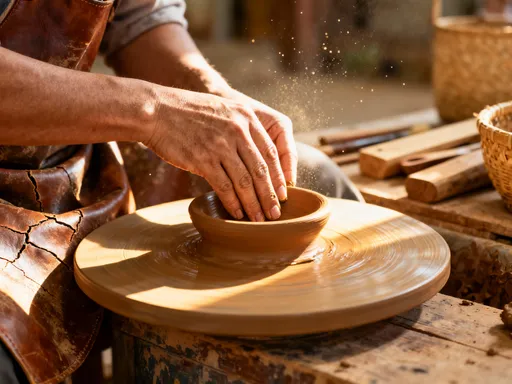
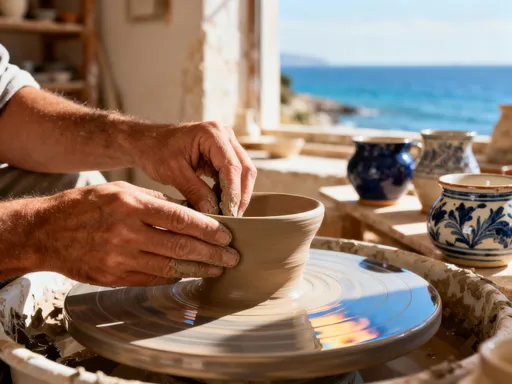
Another standout is the Garrison Craft Market, held near the UNESCO World Heritage Site of Historic Bridgetown and its Garrison. This market focuses on cultural expression, featuring live music, storytelling, and artisan demonstrations. Visitors can watch a potter shape clay on a wheel, see a seamstress embroider a folk dress, or listen to a calypso singer perform original songs. The atmosphere is festive but not overwhelming—families, couples, and solo travelers mingle freely, drawn by the creativity on display.
These pop-up markets are ideal for finding one-of-a-kind items that can’t be replicated. Because they’re often run by individual makers or small cooperatives, the prices reflect fair compensation for labor and materials. Bargaining is less common here, as the value is already transparent. Instead, visitors are encouraged to ask questions, learn about the process, and appreciate the skill behind each piece. For many shoppers, this interaction transforms a simple purchase into a lasting memory. And because these markets are seasonal or event-based, timing your visit right can feel like uncovering a secret only locals know.
Shopping with Purpose: Supporting Local Makers
In an age of mass production and global supply chains, choosing to buy locally made goods is a quiet but powerful act. In Bridgetown, that choice has real impact. When you purchase a handwoven basket from Cheapside or a coral-inspired necklace from Broad Street, you’re not just acquiring a souvenir—you’re supporting a family, a craft, and a cultural legacy. Tourism brings economic benefits, but only when those benefits stay within the community. Mindful shopping ensures that the island’s artisans, farmers, and small business owners reap the rewards of their labor.
Consider the story of Ms. Nita, a single mother who sells handmade soaps at the Cheapside Market. She sources her ingredients locally—coconut oil from a neighbor’s farm, essential oils from a women’s cooperative in St. Lucy. Every bar is hand-poured and cured for two weeks. “This income pays for my daughter’s school supplies,” she shares. “It gives me dignity.” When travelers choose her soap over a factory-made alternative from a souvenir shop, they’re investing in her future. These individual stories are repeated across the city, from seamstresses to potters to spice blenders.
Supporting local also helps preserve Bajan traditions that might otherwise fade. Many crafts—like basket weaving, herbal medicine, and wood carving—are passed down orally and through practice. Without demand, younger generations may not see the value in learning them. By showing interest and making purchases, visitors help sustain these skills. It’s a form of cultural preservation that doesn’t require museums or grants—just thoughtful consumer choices.
For the 30-55 demographic, this aspect of shopping resonates deeply. Many in this group are at a life stage where legacy, meaning, and contribution matter. They’re not just collecting trinkets; they’re seeking experiences that align with their values. Buying local in Bridgetown allows them to do both—take home something beautiful while knowing it made a difference. Travel becomes not just about escape, but about connection and responsibility.
Practical Tips: Navigating Markets Like a Pro
Shopping in Bridgetown is rewarding, but a few practical tips can make the experience smoother and more enjoyable. First, carry cash—especially small denominations. While some vendors accept cards, many prefer cash, particularly in open-air markets. Having Barbadian dollars on hand ensures you won’t miss out on a special find because of a payment issue. ATMs are available in the city center, but it’s wise to withdraw early in the day.
Timing matters, too. Markets like Cheapside are busiest in the morning, when farmers bring in fresh produce. Arriving early means better selection and cooler temperatures. Broad Street shops typically open by 9 a.m. and stay open until 5 or 6 p.m., with a quiet midday lull perfect for relaxed browsing. Weekend craft fairs often start around 10 a.m. and wind down by 4 p.m., so plan accordingly.
Dress for comfort. The Caribbean sun is strong, and many shopping areas are uncovered. A wide-brimmed hat, sunglasses, and lightweight clothing will help you stay cool. Don’t forget a reusable bag—plastic bags are discouraged on the island, and bringing your own shows respect for Barbados’ environmental efforts. A small water bottle is also essential; vendors often sell fresh coconut water, but having your own supply ensures hydration throughout the day.
When evaluating handmade goods, look for signs of quality. Hand-stitched seams, even carving, and natural materials are good indicators. If an item seems too perfect or uniform, it may be imported. Ask the vendor about the making process—most are happy to share. And remember, a fair price reflects time, skill, and materials. If something feels expensive, consider what went into creating it. Paying a little more ensures the maker is valued, and you’re more likely to cherish the item long after your trip.
Beyond the Buy: How Shopping Becomes Storytelling
In the end, the true value of shopping in Bridgetown isn’t measured in dollars or square footage of luggage space. It’s measured in stories. The bar of sea lavender soap isn’t just a bath product—it’s a reminder of Mrs. Linda’s warm smile and her advice to “use it slow, like life.” The hand-carved boat isn’t just decor; it’s a symbol of resilience, tradition, and the quiet pride of a retired fisherman. These items carry layers of meaning that unfold over time, transforming from souvenirs into heirlooms.
For many travelers, especially women in their 30s to 50s, this depth is what makes a journey memorable. They’re not just collecting objects—they’re gathering moments, connections, and insights. A conversation with a vendor becomes a lesson in local life. A chosen gift for a loved one becomes a shared story. The act of shopping, often seen as frivolous, becomes a form of cultural exchange and personal growth.
And when you return home, these items continue to serve. The woven basket holds magazines, but also memories of Cheapside’s morning bustle. The coral necklace is worn with pride, not just for its beauty, but for the knowledge that it was made by a woman supporting her family. These are not just things—they are touchstones, linking past and present, self and community.
So the next time you think of shopping as mere retail, remember Bridgetown. Let it redefine what it means to buy, to choose, to connect. Because in this vibrant Caribbean capital, every purchase is an invitation—to listen, to learn, and to leave with more than you came for. The real treasure isn’t what you find on the shelf. It’s what you discover within yourself.