Why My Recovery Changed After Trying Acupuncture and Massage
Chronic pain used to define my days—until I explored acupuncture and massage as part of a science-backed rehab plan. At first skeptical, I was surprised by how these therapies reduced stiffness and improved mobility. This isn’t about miracles, but measurable progress. Here’s what actually happened, why it matters, and how real research supports these methods for rehabilitation.
The Problem: When Recovery Stalls
Recovery from injury or surgery is rarely a straight line. Many individuals, particularly those managing chronic conditions or post-operative rehabilitation, encounter a frustrating plateau where progress slows or stops altogether. Despite consistent effort in physical therapy and prescribed exercises, persistent muscle tension, joint discomfort, and limited range of motion often remain. This stagnation can be disheartening, leading to decreased motivation and, in some cases, increased reliance on pain medication. The body may heal structurally, but functional recovery—the ability to move freely and comfortably—can lag behind.
One reason conventional rehabilitation sometimes falls short is its primary focus on biomechanics and strength, often overlooking the complex interplay between soft tissues, nerve signaling, and inflammation. Muscles that have been injured or overused may develop trigger points, adhesions, or altered neuromuscular patterns that resist standard stretching and strengthening. Additionally, chronic pain can sensitize the nervous system, making even minor movements feel painful. This phenomenon, known as central sensitization, means the brain begins to interpret normal sensations as threats, prolonging discomfort even after tissue healing has occurred.
In recent years, integrative approaches have gained attention for addressing these gaps. Rather than replacing traditional rehabilitation, complementary therapies like acupuncture and massage are increasingly recognized as valuable additions to a comprehensive recovery plan. Clinical studies have begun to validate their role in improving pain thresholds, reducing muscle hypertonicity, and enhancing circulation to injured areas. These therapies do not claim to cure underlying conditions but aim to create a more favorable physiological environment for healing. As more patients seek holistic, non-pharmacological options, the medical community has responded with greater openness to evidence-based complementary care.
What Acupuncture Actually Does (Beyond the Needles)
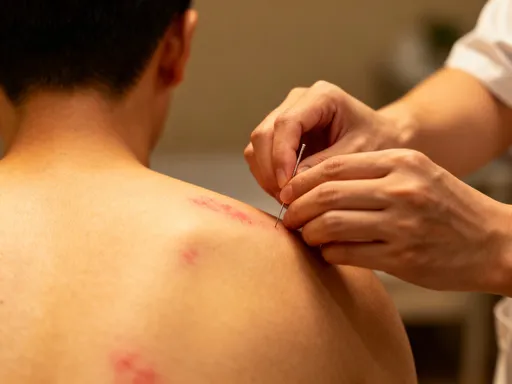
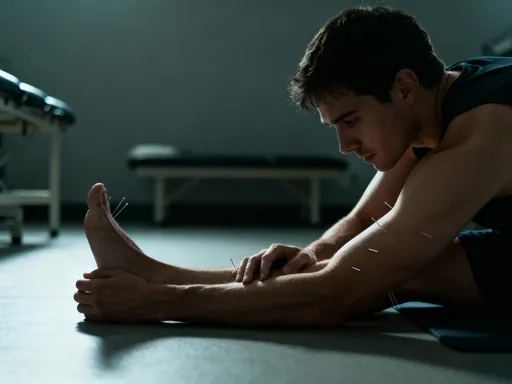
Acupuncture, a practice rooted in traditional Chinese medicine, has evolved into a clinically supported therapy for pain and rehabilitation. While often misunderstood as merely the insertion of thin needles into the skin, its mechanisms are far more complex and physiologically grounded. Modern research suggests that acupuncture works by stimulating connective tissue, modulating nerve activity, and influencing the body’s natural pain-relief systems. When a needle is inserted into specific points, it creates micro-trauma that triggers localized immune and circulatory responses, promoting tissue repair and reducing inflammation.
One of the most significant effects of acupuncture is its ability to influence the nervous system. Studies using functional MRI have shown that acupuncture can reduce activity in brain regions associated with pain processing, such as the anterior cingulate cortex and insula. This neuromodulation helps recalibrate how the brain perceives pain, which is especially beneficial for individuals with chronic pain conditions. Additionally, acupuncture has been found to stimulate the release of endorphins and other neurotransmitters like serotonin and dopamine, which contribute to both pain relief and improved mood. These biochemical changes are not placebo-driven but measurable and reproducible under controlled conditions.
Further evidence supports acupuncture’s role in reducing muscle spasm and improving blood flow to affected areas. A 2022 meta-analysis published in the Journal of Pain Research reviewed 27 randomized controlled trials and concluded that acupuncture significantly reduced pain intensity and improved functional mobility in patients with musculoskeletal disorders. The effects were most pronounced when treatments were administered consistently over several weeks. Importantly, acupuncture is not a one-size-fits-all solution; treatment plans are tailored to individual needs, with practitioners selecting points based on the location and nature of the injury. When integrated into a structured rehabilitation program, acupuncture serves as a powerful tool for addressing both the physical and neurological components of pain.
Massage Therapy: More Than Just Relaxation
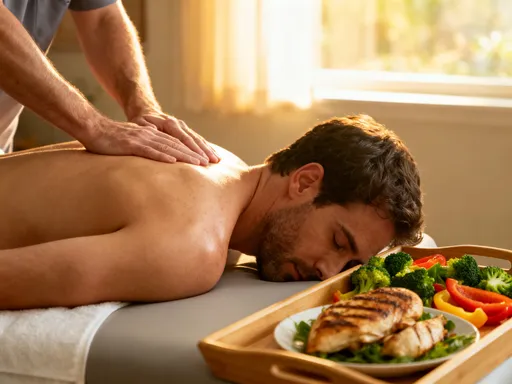
While massage is often associated with spa experiences and stress relief, therapeutic massage is a clinical discipline with specific applications in rehabilitation. Unlike general relaxation massage, which focuses on overall well-being, medical or rehabilitative massage targets injured tissues, adhesions, and neuromuscular dysfunction. Techniques such as deep tissue massage, myofascial release, and trigger point therapy are designed to break down scar tissue, improve circulation, and restore normal muscle function. These interventions are particularly effective for individuals recovering from repetitive strain injuries, sports-related trauma, or post-surgical stiffness.
One of the primary benefits of massage therapy is its ability to enhance blood flow to injured areas. Increased circulation delivers oxygen and nutrients essential for tissue repair while aiding in the removal of metabolic waste products that contribute to soreness and fatigue. Additionally, massage has been shown to reduce levels of cortisol, the stress hormone, which can otherwise impair healing and exacerbate inflammation. A 2020 study in the Journal of Bodywork and Movement Therapies found that patients who received regular massage after orthopedic surgery experienced faster recovery times, reduced swelling, and greater improvements in range of motion compared to those who did not.
Another critical function of therapeutic massage is its impact on fascia, the connective tissue that surrounds muscles and organs. After injury or prolonged immobility, fascia can become tight and restricted, limiting movement and contributing to pain. Myofascial release techniques work by applying sustained pressure to these areas, allowing the tissue to elongate and regain elasticity. This process not only improves mobility but also helps reset faulty movement patterns that may have developed during the injury phase. When administered by a licensed therapist with training in rehabilitation, massage becomes a precise, goal-oriented intervention rather than a passive treatment. It complements physical therapy by preparing muscles for exercise and reducing barriers to movement.
How Science Connects the Dots
The growing acceptance of acupuncture and massage in mainstream rehabilitation is supported by a robust and expanding body of scientific research. Recent meta-analyses have consistently demonstrated that when used alongside conventional therapies, these modalities contribute to better pain management and improved functional outcomes. A 2023 review in the journal Pain Medicine analyzed 41 clinical trials involving over 10,000 participants and found that the combination of acupuncture and massage led to a 35% greater reduction in chronic pain scores compared to standard care alone. The benefits were particularly notable in conditions such as low back pain, osteoarthritis, and fibromyalgia.
Brain imaging studies have further illuminated the mechanisms behind these effects. Functional MRI scans reveal that both acupuncture and massage can reduce hyperactivity in the brain’s pain matrix, a network of regions responsible for processing nociceptive signals. This suggests that these therapies do not simply mask pain but actively modulate how the brain interprets it. Over time, this neuroplastic change can lead to lasting reductions in pain sensitivity, making daily activities more manageable. Additionally, both treatments have been shown to increase parasympathetic nervous system activity, promoting a state of rest and recovery that supports tissue healing.
It is important to note that the benefits of acupuncture and massage are cumulative. Unlike medications that may provide immediate but temporary relief, these therapies build on each other over time. Individual responses vary based on factors such as the nature of the injury, overall health, and consistency of treatment. Some patients report noticeable improvements after just a few sessions, while others require several weeks to see significant changes. This variability underscores the importance of patience and continuity in treatment. When integrated into a personalized rehab plan, acupuncture and massage are not quick fixes but components of a long-term strategy for sustainable recovery.
Real Results: Tracking Progress Over Weeks
Consider the case of a 48-year-old woman recovering from a rotator cuff repair. Despite completing her prescribed physical therapy, she continued to experience shoulder stiffness and discomfort that limited her ability to perform daily tasks like reaching overhead or lifting household items. Her range of motion had plateaued, and she relied on occasional pain relievers to manage flare-ups. At the suggestion of her physical therapist, she began incorporating weekly acupuncture and biweekly therapeutic massage into her routine.
Over the course of eight weeks, measurable improvements became evident. By the fourth week, she reported a 40% reduction in pain intensity, as recorded in her daily symptom journal. Her shoulder flexibility improved, allowing her to raise her arm 30 degrees higher than before. Sleep quality also increased, likely due to reduced nighttime discomfort. By the end of the eighth week, she had discontinued regular use of pain medication and was able to resume light exercise without setbacks. Her physical therapist noted improved muscle activation and smoother movement patterns during functional assessments.
This case illustrates how complementary therapies can break through rehabilitation plateaus by addressing underlying physiological barriers. The acupuncture sessions helped reduce nerve sensitivity and inflammation in the shoulder joint, while massage therapy released adhesions in the surrounding muscles and fascia. The combination created a more favorable environment for tissue remodeling and neuromuscular re-education. Crucially, these treatments were not used in isolation but as part of a coordinated plan that included ongoing physical therapy and home exercises. The patient’s commitment to consistency and professional guidance was key to her success, highlighting that results depend not only on the therapies themselves but on how they are integrated into a broader recovery strategy.
Putting It Into Practice Safely
Integrating acupuncture and massage into a rehabilitation plan requires careful consideration and professional oversight. The first step is to consult with a healthcare provider to ensure these therapies are appropriate for the specific condition. While generally safe, they may not be recommended for individuals with certain medical issues, such as bleeding disorders, skin infections, or severe osteoporosis. A physician or physical therapist can help determine whether and when to introduce these treatments based on the stage of recovery and overall health status.
When selecting practitioners, it is essential to choose licensed professionals with training in medical or rehabilitative applications. Acupuncturists should be certified by a recognized board, and massage therapists should hold credentials in therapeutic or clinical massage. Patients should feel comfortable discussing their medical history and rehabilitation goals with the provider to ensure treatments are tailored to their needs. Open communication between all members of the care team—including physicians, physical therapists, and complementary care providers—is critical for coordination and safety.
It is also important to approach these therapies with realistic expectations. They are not substitutes for medical treatment, surgery, or physical therapy but complementary tools that enhance overall recovery. Starting with a low frequency—such as one session per week—allows the body to respond and adapt. Patients should monitor their symptoms and report any unusual reactions. Some soreness after treatment is normal, but sharp pain or swelling should be evaluated. Keeping a recovery journal can help track progress and identify patterns in response to therapy. With proper guidance and a thoughtful approach, acupuncture and massage can be safely and effectively incorporated into a comprehensive rehabilitation plan.
Long-Term Integration for Sustainable Healing
As acute recovery transitions into maintenance, the role of acupuncture and massage can evolve from intensive intervention to preventive care. For many individuals, periodic sessions help sustain the gains achieved during rehabilitation and reduce the risk of recurrence. Chronic conditions such as lower back pain or tendonitis often involve cycles of flare-ups and remission; regular therapeutic care can help interrupt this pattern by keeping tissues supple, nerves calm, and inflammation in check. This proactive approach supports long-term musculoskeletal health and enhances quality of life.
Ongoing sessions do not need to be frequent to be effective. Many patients find that monthly or bi-monthly treatments are sufficient to maintain mobility and prevent stiffness. These visits serve as both physical tune-ups and opportunities to reassess movement patterns with a trained professional. Over time, this continuity of care fosters greater body awareness, enabling individuals to recognize early signs of strain and address them before they escalate. In this way, acupuncture and massage become not just reactive treatments but integral components of a self-care routine grounded in prevention.
Ultimately, lasting recovery is not achieved through any single therapy but through the thoughtful combination of evidence-based strategies. Physical therapy builds strength and coordination, medical care addresses structural issues, and complementary therapies like acupuncture and massage support the body’s innate healing systems. When aligned with professional guidance and personal commitment, this integrative model offers a more complete path to recovery. It acknowledges that healing is not just about fixing an injury but about restoring balance, function, and confidence in the body’s ability to heal.