How I Tamed My Blood Pressure — A Real Routine That Actually Works
High blood pressure creeps up quietly, but its impact is anything but silent. For years, I ignored the signs—until a routine check revealed numbers I couldn’t dismiss. This isn’t a miracle fix, but a real, step-by-step approach I’ve lived. If you’re tired of confusion and want clarity on managing your blood pressure daily, this is for you. It’s not about perfection—it’s about consistent, smart choices. What started as a wake-up call turned into a daily practice of awareness, movement, nourishment, and balance. This is how I took control—and how you can, too.
The Wake-Up Call: When Normal Felt Wrong
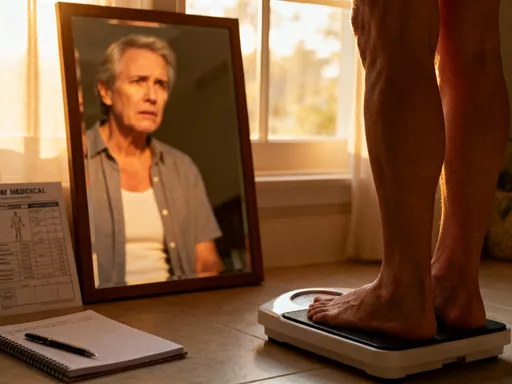
It happened during a routine physical, the kind you schedule because your doctor reminds you, not because you feel unwell. I was 47, active enough, and eating what I thought was a balanced diet. When the nurse called out my blood pressure—148 over 94—I didn’t react. But the doctor paused. She repeated the test. Same result. Then she said the words that changed everything: "You have stage 1 hypertension."
That moment was a collision of disbelief and quiet dread. I didn’t feel sick. I wasn’t fatigued or dizzy. But the numbers didn’t lie. High blood pressure, often called the "silent killer," doesn’t always announce itself with dramatic symptoms. It builds in the background, straining the heart and damaging blood vessels over time. For me, the diagnosis wasn’t just medical—it was emotional. I felt confused, even a little ashamed, as if I’d failed at something fundamental.
What followed was a shift in mindset. I realized that waiting to feel ill before taking action was a dangerous gamble. Hypertension increases the risk of stroke, heart attack, and kidney disease—conditions that can strike suddenly, even in people who seem healthy. Denial wasn’t protection; it was risk. That awareness sparked a commitment: I would no longer ignore my body’s signals. I would learn what my blood pressure meant and take daily, practical steps to manage it. This wasn’t about fear—it was about responsibility to myself and my family.
Understanding Blood Pressure: What Those Numbers Really Mean
Before making changes, I needed to understand what blood pressure actually measures. Many people hear the numbers—120 over 80—but don’t grasp what they represent. Blood pressure is the force of blood pushing against the walls of your arteries as your heart pumps. The top number, systolic pressure, measures pressure when the heart beats. The bottom number, diastolic, measures pressure when the heart rests between beats.
According to guidelines from major health organizations, normal blood pressure is less than 120 over 80 mm Hg. Elevated is 120–129 over less than 80. Stage 1 hypertension starts at 130–139 over 80–89. Stage 2 is 140 over 90 or higher. These ranges aren’t arbitrary—they reflect the increasing strain on the cardiovascular system and the rising risk of complications over time.
Think of your heart as a pump and your arteries as hoses. If the pressure inside those hoses stays too high for too long, the walls weaken, stiffen, or develop damage. This sets the stage for plaque buildup, reduced blood flow, and eventually, blockages. Over years, uncontrolled hypertension can lead to stroke, heart failure, vision loss, and chronic kidney disease. The danger lies in the silence—many people don’t know they have high blood pressure until serious damage occurs.
Understanding this helped me see my diagnosis not as a label, but as an early warning. It gave me power. If high pressure harms the body over time, then lowering it—even modestly—can reduce long-term risk. That knowledge became the foundation of my daily choices. I wasn’t chasing perfection; I was investing in protection.
Mindset First: Building a Sustainable Daily Rhythm
After the diagnosis, I looked for quick fixes—special diets, supplements, intense workout plans. But what I learned is that lasting change doesn’t come from intensity. It comes from consistency. The real shift happened when I stopped thinking of health as a destination and started seeing it as a practice—a series of small, repeatable choices made every day.
Quick fixes fail because they’re not sustainable. They demand too much too soon, leading to burnout and frustration. Instead, I focused on building habits that fit my life, not one that required overhauling my entire routine. I started with one change: walking 20 minutes a day. That small act built confidence. Then I added another: switching from processed snacks to whole fruits and nuts. Each step reinforced the next.
The key was shifting from reactive to proactive thinking. Instead of waiting to feel bad or waiting for the next doctor’s visit to check my numbers, I began to take ownership. I stopped seeing health as something that happens to me and started seeing it as something I influence through daily decisions. This mindset didn’t eliminate stress or temptation, but it gave me a sense of agency.
Tracking helped, but not obsessively. I began logging my blood pressure at home, not to panic over daily fluctuations, but to see trends over weeks. I noticed that on days I slept well, walked, and ate mindfully, my numbers trended lower. This feedback loop built awareness and motivation. Progress wasn’t linear, but over time, the average improved. That’s what matters—not a single number, but the direction of the trend.
Move Smarter, Not Harder: Physical Activity That Fits Real Life
Exercise is one of the most effective, evidence-based ways to lower blood pressure. But for many people, the word "exercise" brings to mind gyms, sweat, and exhaustion. I learned that movement doesn’t have to be intense to be effective. In fact, for blood pressure control, consistency and regularity matter more than how hard you push.
The American Heart Association recommends at least 150 minutes of moderate-intensity aerobic activity per week—about 30 minutes, five days a week. For me, that meant brisk walking. I started with 15 minutes after dinner and gradually increased. I didn’t need special clothes or equipment. I just stepped outside and moved. On rainy days, I walked laps around the house or followed short online videos for low-impact movement.
Beyond walking, I added light strength training twice a week. Using resistance bands or body weight, I did squats, wall push-ups, and seated rows. Strength training improves muscle tone and supports circulation, which in turn helps the heart work more efficiently. Even 10 to 15 minutes, two or three times a week, made a difference.
Equally important was increasing non-exercise activity—what experts call NEAT (non-exercise activity thermogenesis). I stood while talking on the phone, parked farther from store entrances, and took the stairs when possible. These small movements add up, improving circulation and helping the body regulate blood pressure more effectively. Over time, I noticed not just lower numbers, but more energy and better mood—side benefits that kept me going.
Food as Foundation: Eating to Support Healthy Pressure
Diet plays a central role in blood pressure management. The food we eat directly affects fluid balance, artery health, and heart function. I realized that what I thought was a "healthy" diet wasn’t as balanced as I believed. Processed foods, even ones labeled "low-fat" or "heart-healthy," were loaded with sodium—often hidden in bread, soups, sauces, and frozen meals.
Reducing sodium was my first priority. The Dietary Guidelines recommend no more than 2,300 milligrams per day, but for people with hypertension, an ideal target is 1,500 mg. Cutting back wasn’t about giving up flavor—it was about reading labels and cooking more at home. I began using herbs, spices, lemon juice, and vinegar to season food instead of salt. I swapped canned soups for homemade versions and chose fresh or frozen vegetables without added sauces.
At the same time, I increased potassium-rich foods. Potassium helps balance sodium in the body and eases tension in blood vessel walls. I added bananas, sweet potatoes, spinach, avocados, beans, and oranges to my meals. These whole foods not only support blood pressure but also provide fiber, vitamins, and sustained energy.
A typical day now includes oatmeal with berries and nuts for breakfast, a large salad with grilled chicken and olive oil dressing for lunch, and baked salmon with quinoa and steamed vegetables for dinner. Snacks are plain yogurt, apple slices with almond butter, or a handful of unsalted almonds. I don’t count calories, but I focus on nutrient density—choosing foods that nourish rather than just fill.
Hydration matters too. I aim for six to eight glasses of water daily. Dehydration can cause blood pressure to rise, so I keep a glass on my desk and refill often. I also limit alcohol to one drink per day, as excessive intake can elevate pressure and reduce the effectiveness of medications.
Stress, Sleep, and the Hidden Triggers
Even with good food and exercise, I hit plateaus. My numbers would improve, then stall. That’s when I realized that stress and sleep were silent disruptors. Chronic stress keeps the body in a constant state of low-grade alert, releasing hormones like cortisol and adrenaline that constrict blood vessels and raise pressure. For me, work deadlines, family responsibilities, and constant digital noise created a background hum of tension I hadn’t noticed—until I started paying attention.
I began incorporating simple stress-reduction techniques. Deep breathing became my go-to tool. For just five minutes, I’d sit quietly, inhale slowly through the nose for four counts, hold for four, and exhale for six. This simple practice activates the parasympathetic nervous system, helping the body shift from "fight or flight" to "rest and digest." I did it in the morning, before bed, or during tense moments at work.
Mindfulness also helped. I started with short guided meditations using free apps. I didn’t need long sessions—three to five minutes was enough to reset my focus and calm my nervous system. Over time, I became more aware of how stress manifested in my body—tight shoulders, shallow breathing, irritability—and could intervene earlier.
Sleep was equally crucial. Poor or insufficient sleep disrupts the body’s ability to regulate stress hormones and blood pressure. I aimed for seven to eight hours per night. To improve sleep quality, I established a wind-down routine: no screens an hour before bed, a warm bath, reading a book, and keeping the bedroom cool and dark. Within weeks, I noticed not only better rest but also lower morning blood pressure readings. The connection between sleep and vascular health became undeniable.
Tracking, Adjusting, and Staying on Course
Home blood pressure monitoring became a key part of my routine. I bought a validated upper-arm monitor and took readings at the same time each morning, after sitting quietly for five minutes. I didn’t obsess over every number. Instead, I looked for patterns over time. I kept a simple log—either on paper or in a smartphone app—to track trends.
Understanding fluctuations was important. Blood pressure naturally rises and falls throughout the day—it’s higher in the morning, after meals, or during stress. A single high reading isn’t cause for alarm, but a consistent upward trend is. Tracking helped me see which habits made a difference and which didn’t. For example, I noticed that after days with more walking and less salt, my average was lower.
There were times when my numbers didn’t improve, despite my efforts. That’s when I knew it was time to talk to my doctor. I brought my log, described my routine, and asked for guidance. We discussed whether medication might be necessary—and when it was, I didn’t see it as a failure. For many people, lifestyle changes aren’t enough on their own. Medication is a tool, not a defeat. Working with my doctor, we found a low-dose option that, combined with my habits, brought my numbers into a safer range.
Staying on course also meant building support. I shared my goals with my family. My partner started joining me on walks. My daughter helped me plan meals. This wasn’t about changing their lives—it was about creating an environment where healthy choices felt natural. Accountability made a difference. So did celebrating small wins, like a week of consistent readings or choosing a salad over takeout.
Conclusion: Health Is a Practice, Not a Destination
Today, my average blood pressure is consistently below 130 over 80. I have more energy. I sleep better. I feel calmer. But more than the numbers, I’ve gained peace of mind. I know I’m doing what I can to protect my future. This journey hasn’t been about perfection. There are days I eat too much salt, skip a walk, or don’t sleep well. But consistency over time has made the difference.
Managing blood pressure is one of the most powerful things you can do for your long-term health. It’s not a quick fix or a short-term diet. It’s a lifestyle—a daily commitment to movement, nourishment, rest, and awareness. You don’t need to do everything at once. Start with one change: a 10-minute walk, swapping one processed snack, or taking five deep breaths when stressed. Small steps, repeated, create lasting change.
And always remember: you’re not alone. Talk to your doctor. Use home monitoring as a guide, not a judge. Seek support from family or friends. This isn’t about fear or control—it’s about care. By managing your blood pressure, you’re not just lowering a number. You’re investing in more years, better years, with the people you love. That’s a promise worth keeping.