How Acupuncture, Massage, and Movement Changed My Recovery Game
For years, I struggled with stiffness, fatigue, and slow recovery after workouts. I tried everything—rest, ice, even skipping exercise—but nothing brought lasting relief. Then I combined acupuncture, massage, and smart movement. The difference? Real. Noticeable. Life-enhancing. This isn’t a cure-all story, but a real journey of feeling better through integrated care. If your body feels worn down, this might be what you’ve been missing.
The Hidden Cost of Overlooking Recovery
Many people approach fitness with a one-sided mindset: push hard during workouts and assume the rest will take care of itself. But the truth is, progress isn’t made in the gym—it’s made during recovery. When we ignore this crucial phase, we pay a hidden price. Persistent soreness, unrelenting fatigue, and recurring tightness are not normal consequences of staying active. They are warning signals from the body, indicating that something is out of balance. These symptoms suggest that tissues aren’t healing properly, inflammation isn’t resolving, and the nervous system remains in a state of stress.
Modern lifestyles amplify these challenges. Long hours at a desk promote poor posture, which strains the neck, shoulders, and lower back. Chronic stress keeps cortisol levels elevated, interfering with tissue repair and sleep quality. Even when we’re not moving much during the day, our bodies are still under strain—both physical and mental. This constant low-grade tension reduces the body’s ability to recover, making even moderate exercise feel exhausting. Over time, this imbalance increases the risk of injury, diminishes performance, and leads to frustration with fitness routines that no longer seem effective.
Traditional recovery methods like rest, ice, and basic stretching have their place, but they often fall short for people dealing with chronic stiffness or slow healing. Rest alone doesn’t address muscle adhesions or poor circulation. Ice can reduce inflammation temporarily but may also slow the healing process if overused. Stretching helps with flexibility but doesn’t always release deep tension or improve cellular repair. What’s needed is a more complete, integrated approach—one that supports the body’s natural healing systems on multiple levels. That’s where therapies like acupuncture, massage, and targeted movement come in, offering a science-backed way to enhance recovery beyond what passive rest can achieve.
What Really Happens During Recovery? (The Body’s Healing Blueprint)
Recovery is far more than just taking a break after exercise—it’s a dynamic biological process essential for long-term strength, endurance, and overall health. When you work out, especially with resistance or high-intensity training, you create microscopic tears in your muscle fibers. This might sound alarming, but it’s actually the starting point of growth. During recovery, the body repairs these microtears, rebuilding the tissue stronger and more resilient than before. This process, known as muscle protein synthesis, is what leads to gains in strength and muscle mass.
But healing doesn’t happen automatically. It requires optimal conditions: sufficient blood flow to deliver oxygen and nutrients, balanced hormone levels to support tissue repair, and a nervous system that’s in rest-and-digest mode rather than fight-or-flight. Inflammation plays a role too—acute inflammation is a natural and necessary part of healing, clearing damaged cells and initiating repair. However, if recovery is inadequate, inflammation can become chronic, leading to pain, stiffness, and delayed healing. Without proper support, the body remains in a state of breakdown rather than building up, which explains why some people plateau in their fitness or feel worse over time despite consistent effort.
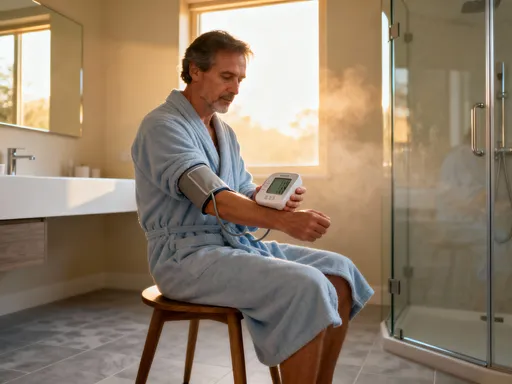
One of the most overlooked aspects of recovery is the role of the parasympathetic nervous system. This branch of the autonomic nervous system is responsible for rest, digestion, and regeneration. When activated, it slows the heart rate, lowers blood pressure, and directs energy toward healing. But in today’s fast-paced world, many people live in a near-constant state of sympathetic dominance—stressed, alert, and on edge. This makes it difficult for the body to enter deep recovery mode, even during sleep. That’s why calming the nervous system is just as important as physical repair. Techniques that promote relaxation—such as acupuncture, massage, and mindful movement—don’t just feel good; they create the internal environment needed for true recovery.
Acupuncture: More Than Just Needles
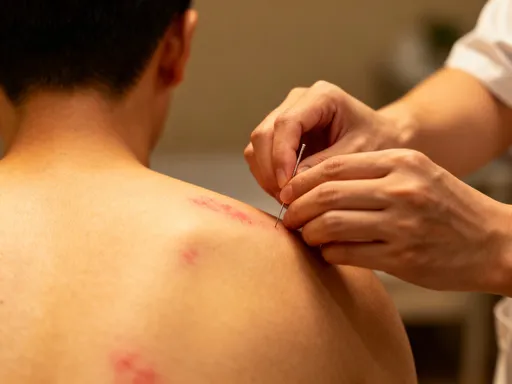
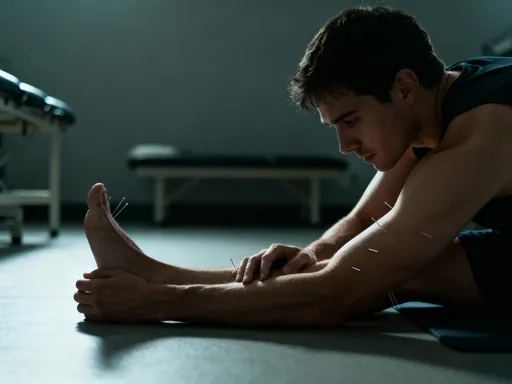
Acupuncture is often misunderstood, dismissed as an ancient practice with no scientific basis. But modern research has confirmed that it works through measurable physiological mechanisms. It involves the insertion of ultra-fine needles into specific points on the body, chosen based on their connection to nerve pathways, blood flow, and muscle function. These points are not arbitrary—they correspond to areas rich in sensory nerves, blood vessels, and connective tissue. When stimulated, they trigger a cascade of responses that support healing.
One of the primary benefits of acupuncture is its ability to reduce muscle tension and pain. The needles activate local nerve fibers, which send signals to the brain to release endorphins—natural painkillers—and other neurotransmitters that promote relaxation. At the same time, blood flow increases to the treated areas, delivering oxygen and nutrients needed for tissue repair. Studies have shown that acupuncture can reduce levels of inflammatory markers in the body, helping to resolve chronic soreness and speed up recovery after physical exertion.
From a personal standpoint, the effects were noticeable almost immediately. After my first session, I experienced a significant reduction in lower back tightness that had lingered for weeks despite stretching and rest. Within 24 hours, my range of motion improved, and I felt less fatigued overall. Over time, I also noticed better sleep quality and a greater sense of calm—likely due to the impact on the nervous system. Acupuncture didn’t erase all my aches overnight, but it shifted my body into a state where healing could happen more efficiently. For anyone struggling with persistent stiffness or slow recovery, it offers a gentle yet powerful way to reset the body’s healing response.
Massage Therapy: Not Just for Relaxation
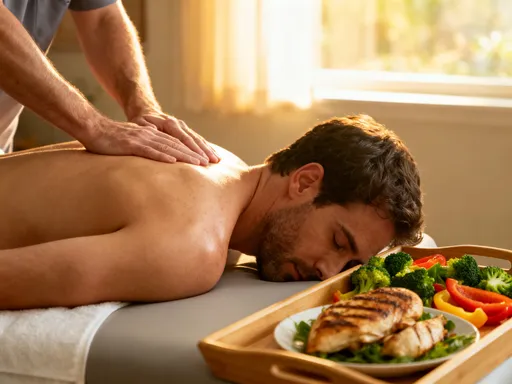
While many people associate massage with luxury or stress relief, its role in physical recovery is both profound and well-documented. There are several types of massage that specifically support muscle healing, each with distinct benefits. Sports massage focuses on preventing and treating injuries related to physical activity, using techniques like compression and cross-fiber friction to improve muscle function. Deep tissue massage targets chronic tension in the deeper layers of muscle and connective tissue, helping to break up scar tissue and adhesions that restrict movement. Myofascial release works with the fascia—the web-like connective tissue that surrounds muscles—restoring its elasticity and reducing pain caused by tightness.
The physiological effects of massage are impressive. One of the most immediate benefits is increased circulation. As the therapist applies pressure and movement to the muscles, blood flow improves, bringing fresh oxygen and nutrients while helping to flush out metabolic waste like lactic acid. This process reduces soreness and speeds up recovery time. Massage also lowers cortisol levels, the hormone associated with stress. Elevated cortisol can impair immune function, disrupt sleep, and slow tissue repair—so reducing it creates a more favorable environment for healing.
Another key benefit is the breakdown of muscle “knots,” or trigger points—tight, hypersensitive areas within a muscle that can cause referred pain and limit mobility. Regular massage helps dissolve these knots, restoring normal muscle function. Over time, consistent sessions can improve posture, reduce the risk of injury, and enhance athletic performance. I found that after incorporating weekly massage into my routine, I no longer dreaded the two days following a hard workout. My muscles felt looser, my joints moved more freely, and I could return to activity sooner without pain. It wasn’t just about feeling good in the moment—it was about building resilience over time.
Exercise That Actually Helps Recovery (Yes, Movement Is Medicine)
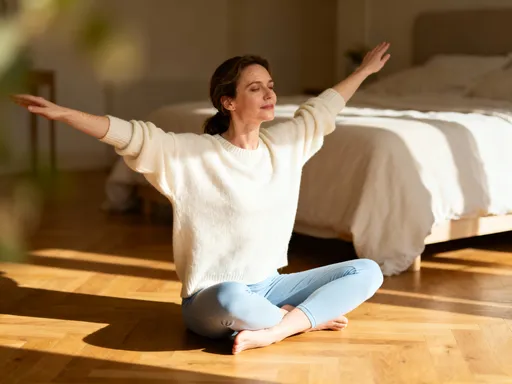
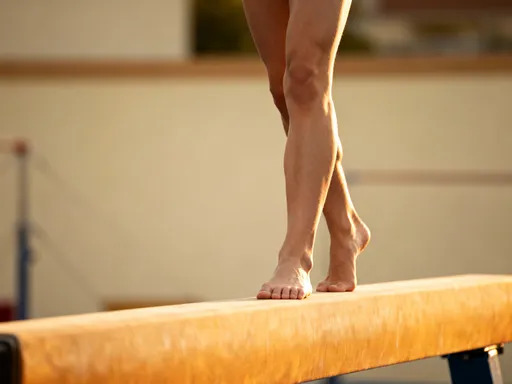
It may seem counterintuitive, but one of the best things you can do for recovery is move—just not in the way you might think. Active recovery refers to low-intensity physical activity performed after strenuous exercise, and it plays a critical role in healing. Unlike high-effort workouts, active recovery doesn’t strain the body. Instead, it stimulates circulation, helping to deliver nutrients to tired muscles and remove metabolic byproducts that contribute to soreness. This gentle movement acts like a pump, encouraging blood and lymph flow, which accelerates the repair process.
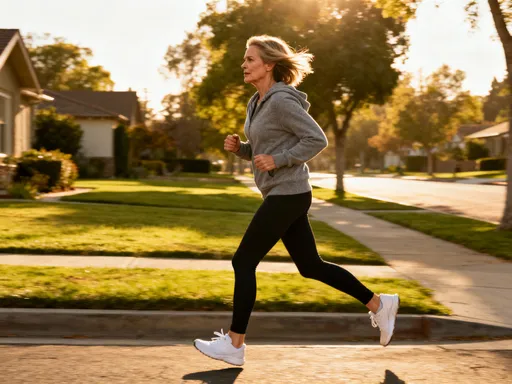
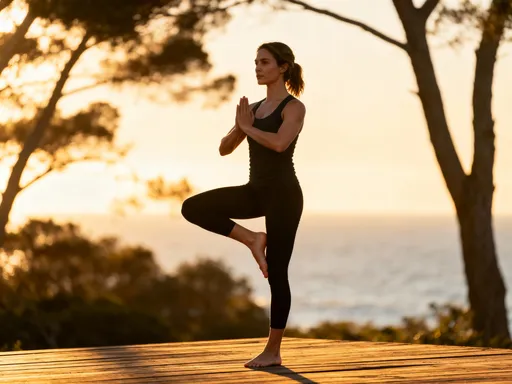
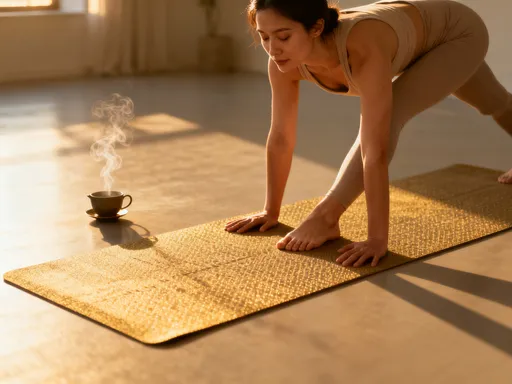
Walking, cycling at a moderate pace, swimming, and yoga are all excellent forms of active recovery. These activities engage large muscle groups without overloading them, promoting mobility and flexibility while keeping the body in motion. Research has shown that individuals who engage in active recovery experience less delayed onset muscle soreness (DOMS) and return to peak performance faster than those who remain completely sedentary. The key is keeping the intensity low—around 30 to 50 percent of maximum effort—so the body stays in aerobic mode, where fat is burned efficiently and stress on the joints is minimized.
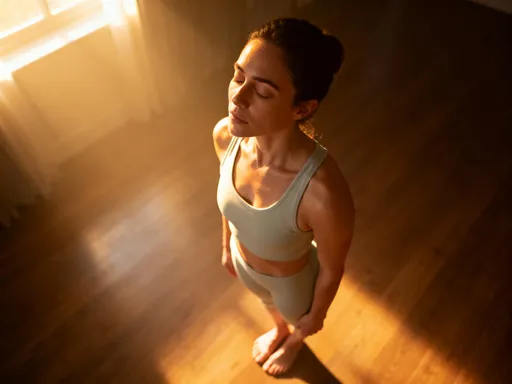
In my own routine, I began incorporating 20-minute walks on rest days, along with gentle yoga stretches. At first, I worried that moving would make me sorer, but the opposite happened. I felt more energized, my joints were less stiff, and my sleep improved. On days when I skipped active recovery, I noticed a marked difference—my body felt heavier, my mood was lower, and it took longer to feel ready for the next workout. These small, consistent movements didn’t replace rest, but they enhanced it. They became a form of self-care that supported long-term vitality, proving that movement isn’t just for building strength—it’s also for restoring it.
Putting It All Together: A Real-World Recovery Plan
Integrating acupuncture, massage, and movement into a cohesive recovery plan doesn’t require drastic changes or excessive time. The goal is consistency, not perfection. I started by scheduling acupuncture once every four to six weeks, aligning it with times when I felt particularly stiff or was preparing for a more intense training phase. This regular but moderate frequency allowed me to maintain nervous system balance and address emerging tension before it became chronic.
Massage became a weekly or biweekly habit, depending on my activity level. After especially demanding workouts or periods of high stress, I prioritized a session to prevent soreness from settling in. Even a 30-minute sports massage made a noticeable difference in how quickly I bounced back. On a daily basis, I committed to at least 20 minutes of active recovery—whether it was a walk around the neighborhood, a gentle cycling session, or a short yoga flow. These moments of movement were not just physical; they became a mental reset, helping me transition from the busyness of the day into a state of calm.
A sample week in my recovery routine looked like this: after a strength training session on Monday, I took a 20-minute walk and used a foam roller at home. Tuesday was a rest day with light yoga and hydration focus. Wednesday included a 45-minute moderate cycling session as active recovery. Thursday featured a massage appointment, followed by an early bedtime. Friday allowed for another workout, supported by improved readiness. The weekend included a mix of walking, stretching, and family activities that kept me moving without strain. Listening to my body was essential—on days when fatigue or poor sleep signaled depletion, I scaled back intensity and added extra recovery support. This flexible, responsive approach made all the difference.
Why This Approach Works—And Who Should Try It
This integrated recovery strategy isn’t just for elite athletes or fitness enthusiasts. It’s for anyone whose body bears the wear and tear of daily life. Office workers who sit for hours, parents who carry children and lift heavy bags, gardeners, weekend hikers, or anyone managing age-related stiffness can benefit from these practices. The combination of acupuncture, massage, and movement addresses multiple layers of physical stress—nervous system regulation, muscle tension, circulation, and joint mobility—making it a comprehensive solution for long-term well-being.
Scientific evidence supports this approach. Studies have demonstrated that acupuncture can reduce muscle soreness and improve recovery markers after exercise. Research on massage therapy shows measurable decreases in inflammation and improvements in range of motion. Active recovery has been linked to faster clearance of lactate and reduced muscle fatigue. When used together, these modalities create a synergistic effect—each enhancing the benefits of the others. The result is not just faster healing, but a greater sense of physical ease and resilience.
This journey wasn’t about chasing perfection or eliminating all discomfort. It was about learning to work with my body, not against it. By giving recovery the attention it deserves, I’ve been able to stay active longer, with less pain and more energy. If you’ve been feeling worn down, stuck in a cycle of soreness and fatigue, it may be time to rethink your approach. Recovery isn’t passive—it’s an active investment in your health. Always consult a licensed professional before starting any new therapy. This isn’t medical advice, but a personal account of how integrated care transformed my relationship with movement and healing.